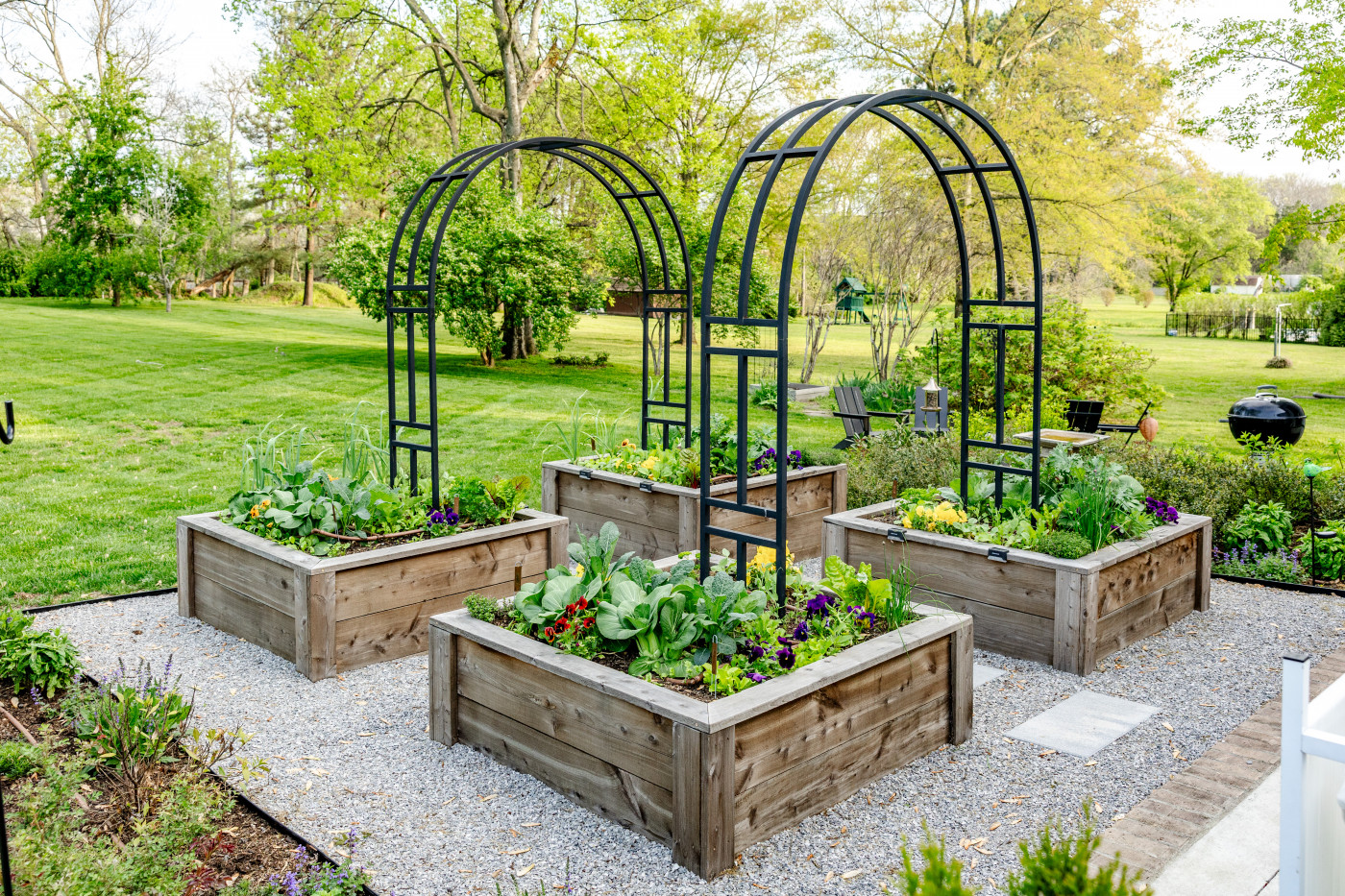
Creating a small garden in your backyard not only allows you to grow vegetables, herbs, or flowers, but also adds beauty and freshness to your outdoor space, providing a great sense of accomplishment. Even a small backyard can become a productive and delightful garden with careful planning and a few simple techniques. For beginners, understanding the basics of space, soil, plant selection, and care is key. This guide offers practical steps to help you confidently create a thriving small backyard.
Why a Small Backyard is Worth the Effort
Even a small backyard offers countless benefits. Homegrown fruits and vegetables are fresher, tastier, and free of harmful chemicals compared to store-bought produce. Gardening promotes physical activity, reduces stress, and encourages people to spend more time outdoors. Flowers and greenery add color and charm to your backyard, creating a peaceful oasis. Moreover, small gardens attract birds, bees, and other beneficial insects, increasing biodiversity and contributing to a healthier ecosystem.
Planning Your Backyard
Before planting, take the time to assess your space and resources. Observe sunlight patterns to determine which areas will receive full sun, partial shade, or full shade, as different plants have different light requirements. Consider the soil type, drainage, and available water sources. Depending on the size of your garden, the soil quality, and your gardening goals, you may choose raised beds, open-field plantings, or potted plants. Planning also includes selecting plant varieties suitable for your local climate, season, and level of gardening experience.
Soil Preparation
Healthy soil is the foundation of any successful garden. First, remove weeds, stones, and other debris from the selected area. Loosen the soil so that roots can grow freely and improve aeration. Adding organic matter, such as compost, well-rotted manure, or leaf mold, adds nutrients to the soil and promotes the growth of beneficial microorganisms. Mulching the soil with straw, sawdust, or leaf dust helps retain moisture, reduces weed growth, and regulates the soil temperature. Regular soil preparation ensures that plants get the nutrients and conditions they need to thrive.
Choosing the Right Plants
For a small garden, choosing the right plants is crucial. Herbs like basil, mint, and parsley are easy to grow and perfect for pots or small plots. Leafy greens like lettuce, spinach, and kale are quick to harvest and suitable for limited spaces. Compact vegetables like tomatoes, peppers, and radishes can also be very productive in small spaces. Intercropping can be considered to promote plant growth, naturally control pests and diseases, and utilize space efficiently. Choosing plants that are suitable for the local climate can increase the chance of a bountiful harvest.
Planting Tips
Sowing seeds in a small garden requires extra attention to spacing and depth. Follow the instructions on the seed packet or plant label to avoid overcrowding, which can lead to poor growth and disease. Raised beds or pots are ideal for small spaces because they improve soil drainage, reduce soil compaction, and simplify maintenance. Vertical planting using trellises, hanging baskets, or wall-mounted pots maximizes space and allows climbing plants like beans or cucumbers to grow upward. Proper planting methods ensure healthy roots, good air circulation, and increased yields.
Watering and Irrigation
Consistent and efficient watering is crucial for small backyards. Overwatering leads to root rot, while underwatering stresses plants and stunts growth. Drip irrigation, hoses, or watering cans ensure water reaches the roots, conserving water and minimizing leaf wetness to prevent disease. Mulching also helps retain soil moisture. Regularly checking soil moisture and adjusting watering to the weather and the plant’s needs ensures healthy and robust growth.
Pest and Disease Control
Even small gardens are susceptible to pests and diseases, but organic methods can be effective in confined spaces. Encourage beneficial insects like ladybugs and lacewings to naturally control pests. For minor infestations, use neem oil, insecticidal soap, or homemade sprays with garlic or chili. Regular crop rotation prevents soil-borne diseases and reduces pests.
Making the Most of Small Garden Space
Smart space management is incredibly beneficial for small backyards. Vertical planting, using stacked containers, and combining fast-growing plants with slower-growing varieties all optimize space utilization. Choose dwarf or compact plant varieties to avoid overcrowding. Clever use of corners, fences, and walls can increase your planting area. Companion planting not only saves space but also improves soil health and naturally repels pests. Make the most of your space to grow a wider variety of plants, even in a small garden, and enjoy a richer harvest.
Frequently Asked Questions
I have no experience, can I start a vegetable garden?
Yes, even beginners can start small by choosing a few easy-to-grow plants and learning as they go.
How much sunlight does my garden need?
Most vegetables and flowers need six to eight hours of sunlight per day. Observe your garden and find the sunniest spot to plant.
Are raised beds better for small spaces?
Raised beds improve soil drainage, reduce soil compaction, and simplify maintenance, making them ideal for small backyards.
Which plants are best suited for a small backyard?
Herbs like basil, parsley, and mint; leafy greens like lettuce and spinach; and dwarf vegetables like tomatoes and radishes are all suitable for beginners and can be very productive, even in small spaces.
How do you control pests naturally in a small garden?
Encourage beneficial insects, practice companion planting, rotate crops, and use organic sprays like neem oil for safe and effective pest control.
Conclusion
Creating a small backyard is both practical and enjoyable, allowing you to enjoy fresh produce, beautiful flowers, and a healthier lifestyle. By planning the space, preparing the soil, choosing suitable plants, and caring for them consistently, even a small backyard can become a vibrant garden. Efficient watering methods, organic pest control, and good space management ensure sustainable and productive gardening. With patience and careful observation, your small backyard garden will flourish and bring you joy, nourishment, and beauty all year round.

Welcome to Walls and Clouds! Your go-to destination for inspiration, tips, and ideas on vertical gardening. Our mission is to make gardening accessible to everyone, no matter the size of their space. We believe that even a small wall can bring a touch of nature into everyday life.