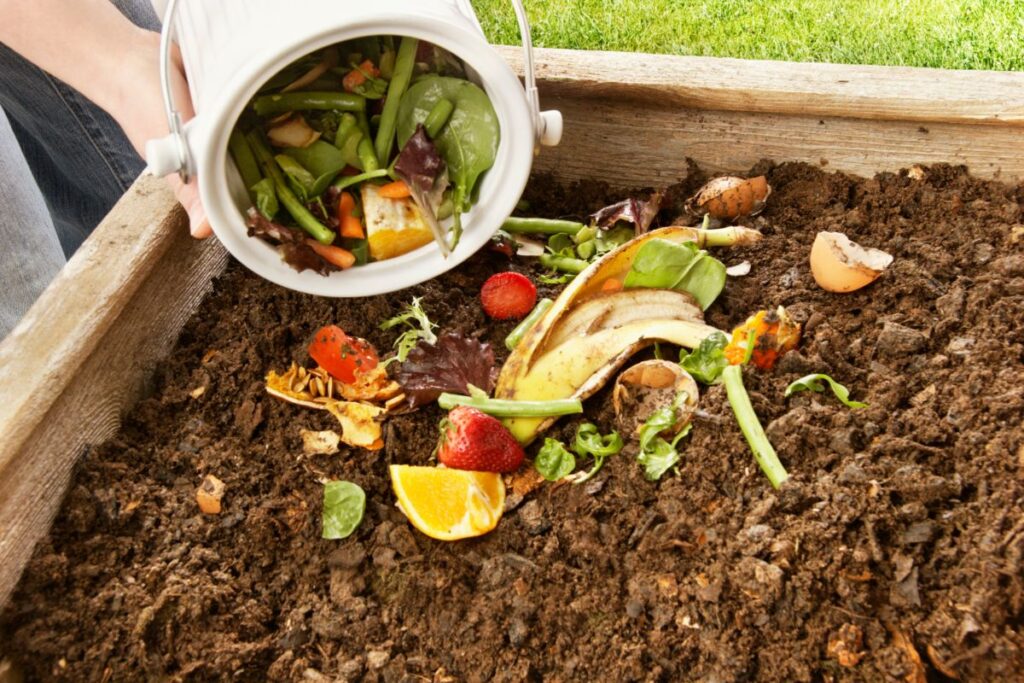
Composting is one of the simplest and most effective ways to recycle kitchen and garden waste while improving your garden soil. Getting started with composting can seem daunting for beginners, but when done correctly, it can be a simple and rewarding process. Composting not only reduces the amount of waste going into landfills but also creates nutrient-rich soil that promotes healthy plant growth. This guide gives beginners practical tips for successfully starting composting and getting the most out of this environmentally friendly method.
Why Composting Is Important
Composting is good for both your garden and the environment. Organic material like fruit and vegetable scraps, coffee grounds, and garden waste decompose naturally and form compost (also known as “black gold”). This improves soil fertility, water retention, and structure. Composting reduces the need for fertilizer and helps plants grow stronger and healthier. From an environmental perspective, composting reduces the amount of organic waste going into landfills, lowers methane emissions, and contributes to a more sustainable lifestyle.
Choosing a Composting Method
Depending on available space, time, and convenience, several composting methods are suitable for beginners. Outdoor composting, whether in piles or compost bins, is ideal for gardens and patios. Compost bins effectively manage material and accelerate decomposition. For smaller spaces, container composting or worm composting (also called worm composting) is very effective, indoors or on a balcony. Earthworms break down organic matter quickly and produce high-quality compost. Choosing a composting method that suits your lifestyle ensures consistent composting and prevents frustration.
Composting Materials
Successful composting depends on a balance of “green” and “brown” materials. Green materials are rich in nitrogen and include fruit and vegetable scraps, coffee grounds, tea leaves, and grass clippings. Brown materials are rich in carbon, such as dry leaves, straw, cardboard, paper, and sawdust. A proper ratio of green to brown material (approximately two-thirds brown to one-third green) ensures efficient decomposition and prevents excessive moisture or unpleasant odors. Do not add meat, dairy products, fat, or diseased plants, as these attract pests and slow the decomposition process.
Building a Compost Pile
First, choose a well-drained location with some sunlight. First, lay down a layer of coarse brown material, such as twigs or straw, to promote air circulation. Alternate green and brown material, and chop larger pieces to accelerate decomposition. Keep the compost moist, like a damp sponge, but avoid waterlogging. Regular turning or mixing of the compost provides oxygen, accelerates decomposition, and prevents odors. A healthy compost pile generates heat, which indicates active microbial activity and the development of a nutrient-rich compost.
Compost Maintenance
Proper maintenance ensures faster decomposition and high-quality compost. Monitor the moisture level; add water if it is too dry and add brown material if it is too wet. Turning the compost every one to two weeks aerates it, promotes even decomposition, and prevents compaction. Avoid adding too much green material at once, as this can lead to excessive nitrogen and a strong odor. A compost thermometer can be used to monitor the internal temperature; ideally, it should be between 57°C and 71°C for optimal microbial activity.
Troubleshooting
Beginners may encounter problems such as slow decomposition, unpleasant odors, or pests. Slow decomposition is often caused by an imbalance of green to brown material, inadequate ventilation, or excessive material volume. An unpleasant odor indicates too much green material or poor air circulation; add more brown material and turn the compost. Avoiding meat or dairy products, not burying food scraps in the compost, and using sealed containers or lids can effectively prevent pests such as rodents. Regular monitoring and adjustments ensure the composting process runs smoothly and efficiently.
Using compost in your garden
Compost has many uses and can add nutrients to your garden. Mixing mature compost into flowerbeds can improve soil structure, fertility, and water retention. Use it as mulch around plants to suppress weed growth and retain moisture. Soaking compost in water to make compost tea creates a nutrient-rich liquid fertilizer for flowers, vegetables, and pots.
FAQs
Indoor composting?
Yes, small-scale indoor composting using compost bins or worm bins is very effective for kitchens or balconies. Ensure good ventilation and do not add meat or dairy product.
How long does composting take?
Depending on the materials, the size of the compost bin, and maintenance, composting can take anywhere from a few weeks to several months. Regularly turning the compost and maintaining the correct moisture can speed up the process.
What should be avoided in compost?
Do not put meat, dairy products, fatty foods, diseased plants, or pet waste in the compost bin, as these attract pests, produce unpleasant odors, or cause contamination.
How do I know if the compost is ready?
Mature compost is dark in color, loose in texture, decomposes easily, and contains no visible food scraps or leaves. It should feel like fertile soil.
Can compost improve my garden soil?
Absolutely. Compost improves soil fertility, structure, water retention, and microbial activity, which promotes healthy plant growth and increases yields.
Conclusion
Composting is a simple, easy, and environmentally friendly way to convert kitchen and garden waste into nutrient-rich soil that nourishes your garden. As long as you understand the ratio of green to brown materials, choose the right composting method, and maintain the compost properly, even beginners can efficiently make high-quality compost. Regular observation, patience, and timely adjustments are the key to successfully converting waste into a valuable resource for plants. Composting not only nourishes your garden but also helps you adopt a more sustainable and environmentally friendly lifestyle.

Welcome to Walls and Clouds! Your go-to destination for inspiration, tips, and ideas on vertical gardening. Our mission is to make gardening accessible to everyone, no matter the size of their space. We believe that even a small wall can bring a touch of nature into everyday life.