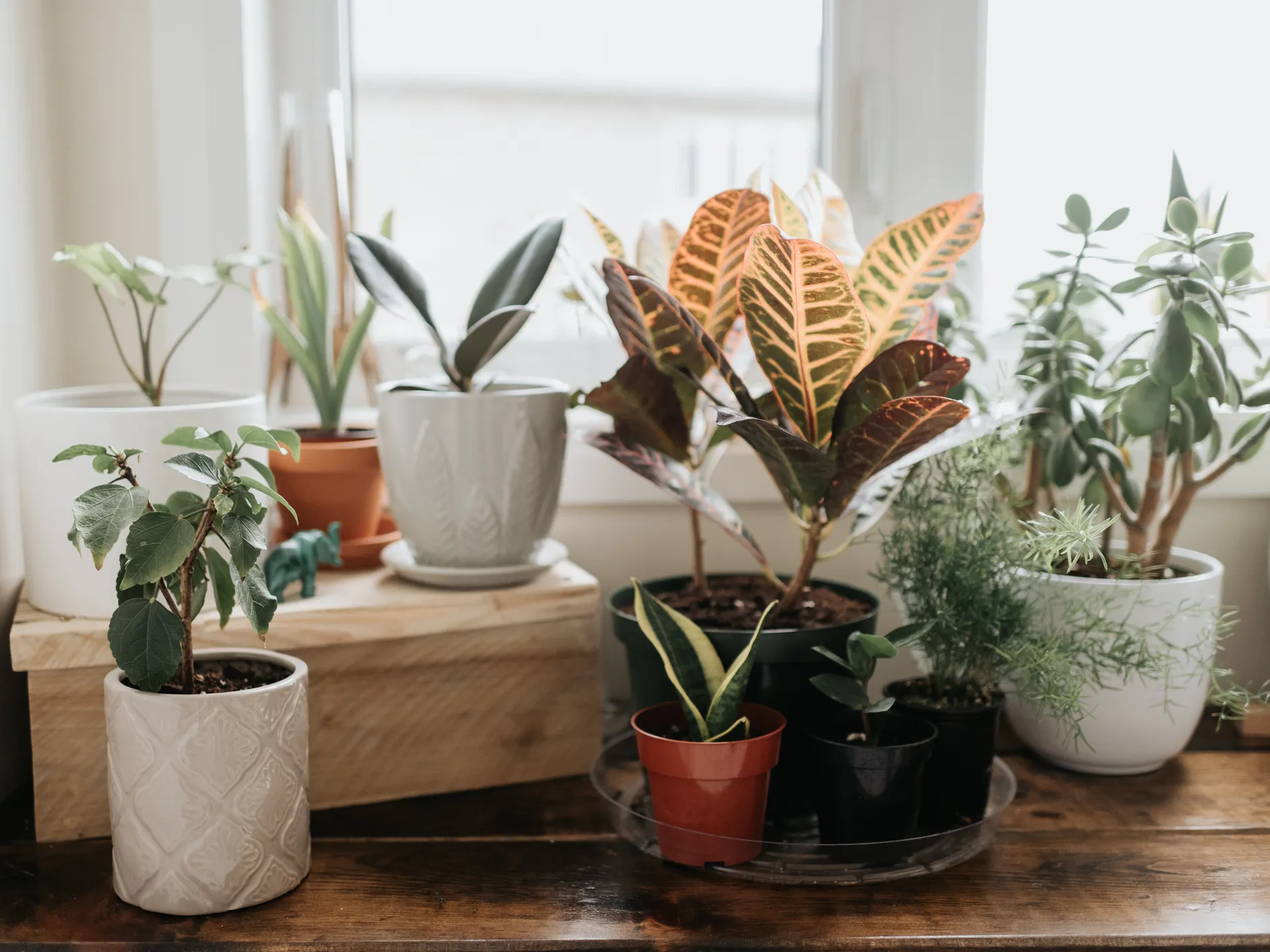
Houseplants are a fantastic way to add life, color, and freshness to your home. They can improve air quality, boost your mood, and create a relaxing and comfortable environment. For beginners, choosing easy-to-care-for plants ensures success and reduces frustration. With the right choices, even novice gardeners can enjoy a lush indoor space. This guide introduces the best houseplants for beginners and provides care tips and practical advice to keep your plants healthy and thriving.
Benefits of Houseplants
Houseplants are more than just decoration. They absorb toxins and produce oxygen, purifying the air and creating a healthier living environment. Caring for plants can reduce stress, promote physical and mental well-being, and enhance the aesthetics of a room. For beginners, choosing easy-to-care-for plants means enjoying the benefits of greenery with minimal effort. Whether in an apartment, office, or home with limited sunlight, houseplants create a connection with nature and have a positive impact on physical and mental health.
Sanseveria (Sansevieria trifasciata) – A Resilient Choice
The Sanseveria, also known as Mother-in-law’s tongue, is one of the easiest houseplants to care for even beginners. It tolerates shade, drought, and temperature fluctuations and requires virtually no care. It also purifies the air by removing harmful substances such as formaldehyde and benzene. You can place it in a corner, bedroom, or living room and water it sparingly, only when the soil is dry. The upright leaves add depth and a modern touch to any interior.
Pothos (Devil’s Ivy) – Versatile and Resilient
Pothos, also known as Devil’s Ivy, is another suitable houseplant for beginners. It thrives in low light or bright indirect light and is easy to care for. Pothos can be grown in soil or hydroponically, making it ideal for hanging baskets, shelves, or small pots. The twining tendrils create a lush, trailing effect and enhance the interior. Regular watering and occasional pruning helps maintain its shape, and it adapts well to various indoor environments.
Spider Plant – Easy to Grow and Propagate
Spider plants are known for their arching green leaves and white stripes, and they propagate easily from seedlings. Spider plants thrive in bright, indirect light and tolerate occasional neglect. Water when the soil is slightly dry and avoid overwatering to prevent root rot. This plant is ideal for beginners because it is easy to care for, attractive, and improves indoor air quality by removing pollutants such as carbon monoxide.
Peace Plant – Elegant and Easy to Care for
Peace plants are ideal for beginners who want to grow flowering houseplants. They thrive in low to medium light and require only moderate watering. Peace plants produce elegant white flowers and grow well in pots or small containers. They also help purify the air by filtering toxins. Avoid overwatering and allow the soil to dry slightly between waterings. Their elegant appearance makes them ideal for living rooms, bedrooms, or offices.
Money Tree – Resilient and Stylish
The money tree (Zamioculcas zamiifolia) is a hardy houseplant with glossy, deep green leaves. It tolerates shade and drought and requires little water, making it ideal for beginner gardeners. The money tree grows slowly but steadily and only needs occasional watering when the soil is completely dry. They adapt well to a variety of indoor environments, and their upright, symmetrical leaves add a modern and stylish touch to any room.
Aloe Vera – Practical and Beautiful
Aloe vera is an easy-to-care-for succulent with several practical uses. It thrives in bright, indirect light and requires very little water. Aloe vera can be grown in pots or small containers, making it perfect for windowsills or countertops. The gel has natural healing properties and can be used for minor burns or as a skincare product. Aloe vera is an excellent choice for beginner gardeners because of its hardiness, ease of care, and versatility.
Houseplant Care Tips for Beginners
Choose a suitable pot and ensure good drainage to prevent waterlogging and root rot. Use well-draining soil suitable for each plant. Pay attention to the plant’s light requirements; some thrive in low light, while others require bright, indirect light. Water according to the plant’s actual needs.
FAQs
Do houseplants need fertilizer?
Occasionally applying a balanced, water-soluble fertilizer during the growing season can help plants grow healthily, but for beginners, a small amount is sufficient.
How do you prevent pests and diseases in houseplants?
Check your plants regularly, remove dust from the leaves, and treat minor infestations with neem oil or insecticidal soap. Avoid overwatering to avoid attracting fungus gnats.
Conclusion
Even for beginners, houseplants can bring life, beauty, and health benefits to your home. Choosing hardy and easy-care plants, such as sansevieria, pothos, spider plant, money tree, peace lily, and aloe vera, makes them easy to care for. The right amount of water, light, soil, and occasional maintenance will ensure your indoor garden thrives. By starting with easy-to-care-for plants, beginners can enjoy a lush green environment, improve indoor air quality, and create a relaxing and pleasant atmosphere.

Welcome to Walls and Clouds! Your go-to destination for inspiration, tips, and ideas on vertical gardening. Our mission is to make gardening accessible to everyone, no matter the size of their space. We believe that even a small wall can bring a touch of nature into everyday life.