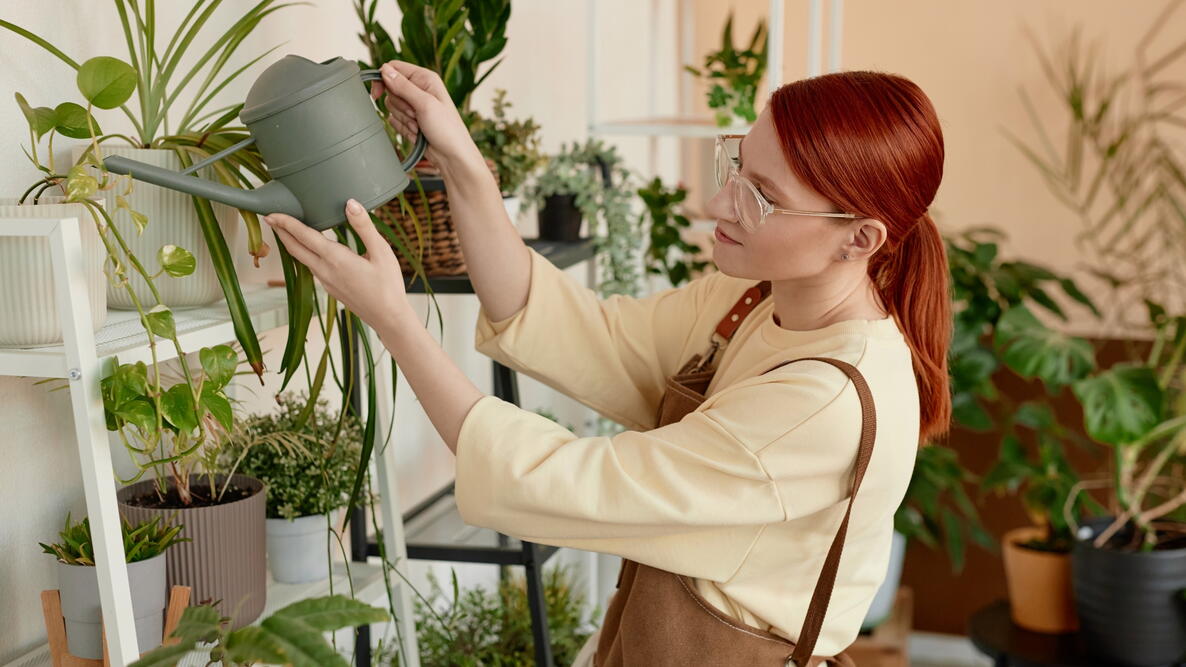
Watering indoor plants may seem simple, but improper watering is one of the most common mistakes that leads to plant stress, yellowing leaves, and even death. Every plant has unique water requirements, and understanding how, when, and how much to water ensures your indoor greenery thrives. This guide explains the principles of proper watering, practical tips for beginners, and strategies for healthy, flourishing indoor plants.
Why Proper Watering Matters
Water is essential for plants’ survival, enabling nutrient absorption, photosynthesis, and growth. Both overwatering and underwatering can harm indoor plants. Overwatering leads to root rot, fungal infections, and nutrient deficiencies, while underwatering causes wilting, stunted growth, and dry leaves. Learning the correct watering techniques improves plant health, promotes longevity, and reduces the need for replacements.
Understand Your Plant’s Water Needs
Different plants have different water requirements. Succulents like Aloe Vera and ZZ plants store water in their leaves and need less frequent watering. Tropical plants such as peace lilies and ferns prefer consistently moist soil. Leafy greens and pothos require moderate watering, allowing the soil to slightly dry between sessions. Researching your plant’s natural habitat and needs ensures proper watering practices and prevents stress.
Check Soil Moisture Before Watering
The best way to know if your plant needs water is by checking the soil. Stick your finger about an inch deep into the soil. If it feels dry at this depth, it’s time to water. For plants with larger root systems, use a wooden skewer or moisture meter to check deeper soil layers. Avoid relying solely on a schedule, as indoor conditions like humidity, temperature, and light exposure affect soil moisture.
Watering Techniques for Indoor Plants
Water slowly and evenly, ensuring the water reaches all parts of the root zone. Pour water until it begins to drain from the pot’s drainage holes, which prevents waterlogging and promotes healthy root growth. Avoid letting plants sit in standing water, as this encourages root rot. For small containers, use a watering can with a narrow spout to control flow, and for hanging plants, consider bottom watering by placing the pot in a shallow tray of water until the soil absorbs moisture.
Frequency of Watering
Watering frequency depends on plant type, pot size, soil, light, and indoor conditions. Succulents and cacti may need water every 2–3 weeks, while tropical plants may require weekly or more frequent watering. Seasonal changes also impact watering needs; plants typically need less water during dormant periods in winter and more during active growth in spring and summer. Observing your plants and soil is key to determining the right frequency.
Signs of Overwatering
Overwatering is a common mistake for beginners. Signs include yellowing or drooping leaves, a musty smell from the soil, and soft or mushy roots. Fungal growth on soil surface and moldy pot edges are also indicators. To correct overwatering, reduce watering frequency, allow the soil to dry, and consider repotting if root rot is present. Choosing pots with good drainage and using well-aerated soil prevent future issues.
Signs of Underwatering
Underwatered plants show symptoms like drooping or curling leaves, dry or crispy leaf edges, and slowed growth. The soil appears dry and pulls away from the pot edges. To revive underwatered plants, water thoroughly, ensuring the soil is evenly moistened. Mulching or grouping plants can help retain moisture and reduce future underwatering.
Best Watering Practices
Use room-temperature water to avoid shocking plant roots. Water in the morning when possible to allow excess moisture to evaporate during the day, reducing the risk of fungal growth. Ensure proper pot drainage and avoid decorative containers without holes unless you water carefully. Consider using self-watering pots or drip systems for consistent moisture, especially for busy gardeners. Rotate pots occasionally to ensure even soil hydration.
Adjusting Watering for Indoor Conditions
Indoor humidity, temperature, and light exposure affect plant water needs. Dry, heated rooms require more frequent watering, while high-humidity environments reduce water needs. Plants near windows may dry out faster than those in shaded areas. Monitor your plants closely and adjust watering habits based on their responses rather than sticking to a fixed schedule.
FAQs
How do I know if I am overwatering my indoor plants? Yellowing leaves, mushy stems, moldy soil, and standing water in pots are common signs of overwatering.
Can I water indoor plants too little? Yes, underwatering causes drooping leaves, dry soil, slow growth, and leaf drop. Always check soil moisture before watering.
What is the best time of day to water indoor plants? Watering in the morning is ideal, as it allows plants to absorb moisture and reduces fungal risks.
Should I use tap water or filtered water for indoor plants? Room-temperature tap water is generally fine, but avoid heavily chlorinated water. Filtered or rainwater is preferable for sensitive plants.
How often should I water different indoor plants? Succulents and cacti need less frequent watering, tropical plants need moderate moisture, and leafy greens need consistent but not excessive watering. Adjust based on soil moisture and plant type.
Conclusion
Watering indoor plants correctly is essential for their health, growth, and longevity. By understanding each plant’s needs, checking soil moisture, using proper watering techniques, and observing plant responses, beginners can prevent overwatering or underwatering. Proper watering ensures vibrant foliage, strong roots, and thriving indoor greenery, creating a healthier and more aesthetically pleasing home environment. With patience and observation, anyone can master the art of indoor plant care and enjoy lush, thriving indoor gardens.

Welcome to Walls and Clouds! Your go-to destination for inspiration, tips, and ideas on vertical gardening. Our mission is to make gardening accessible to everyone, no matter the size of their space. We believe that even a small wall can bring a touch of nature into everyday life.