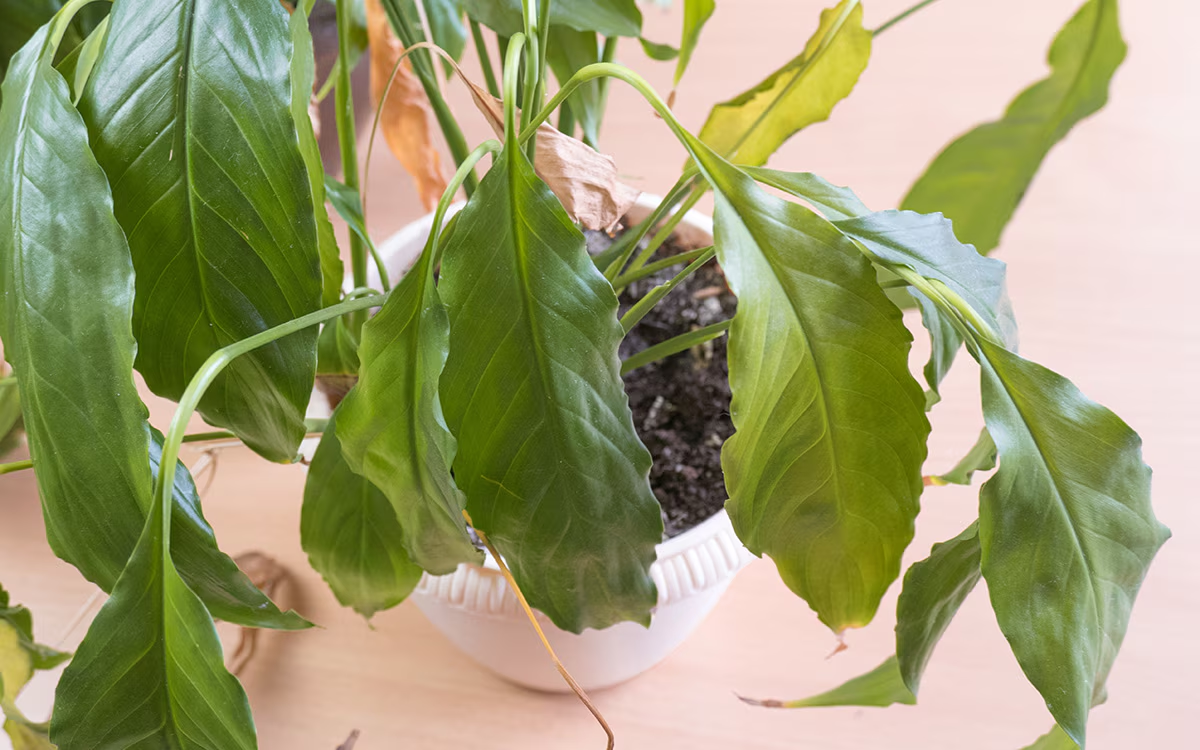
Houseplants can bring beauty, freshness, and tranquility to your home, but even experienced gardeners encounter problems from time to time. Understanding common houseplant problems, their causes, and solutions can help keep your plants healthy and thriving. This guide highlights the most common challenges, practical solutions, and preventative measures, useful for both beginners and seasoned plant enthusiasts.
Yellowing Leaves
Yellowing leaves are one of the most common problems with houseplants. It can indicate overwatering, nutrient deficiencies, or insufficient light. Overwatering can cause root suffocation and rot, leading to yellowing leaves. Nutrient deficiencies, particularly nitrogen, can also cause leaves to lose their vibrant green color. Insufficient light hinders normal photosynthesis, resulting in yellowing leaves. To address this, you can reduce watering, check soil drainage, adjust lighting conditions, and consider using a balanced fertilizer to supplement essential nutrients.
Wilting or Drooping Plants
Plants can wilt even if the soil appears moist. Overwatering, underwatering, or damaged roots are common causes. Overwatering leads to wet roots, while underwatering causes dehydration. Plants with tangled roots in small pots can also droop due to stunted growth. Inspect the roots, adjust watering, and repot if necessary. Ensure the correct pot size and good soil aeration to encourage healthy plant growth and prevent wilting.
Yellowing Leaf Tips or Edges
Yellowing leaf tips or edges are usually caused by low humidity, overfertilization, or irregular watering. Indoor heating and air conditioning can dry out the air, causing yellowing leaf tips. Excessive fertilizer salts can build up in the soil and damage the leaves. To address this, you can increase humidity by misting or using a humidifier, reduce fertilizer, and water evenly, allowing the soil to absorb moisture without overwatering. Regularly pruning damaged leaves can improve the plant’s appearance.
Pests
Houseplants are also susceptible to pests. Common pests include spider mites, aphids, mealybugs, and fungus gnats. These insects feed on plant sap, weakening leaves and spreading diseases. Sticky residue, spider webs, and small holes in the leaves are signs of an infestation. Control methods include isolating affected plants, wiping leaves with soapy water, or using natural methods like neem oil or insecticidal soap. Regular inspection can prevent the spread of pests to other plants.
Leaf Drop
Leaf drop refers to the premature loss of leaves by a plant. Sudden temperature fluctuations, over- or under-watering, or insufficient light can all cause leaf drop. Moving plants or exposing them to strong winds can also cause stress, leading to leaf drop. To prevent leaf drop, ensure stable water, temperature, and light conditions. Avoid sudden environmental changes and handle plants carefully when moving them.
Slow Growth or Thin Stems
Slow growth and thin stems indicate insufficient light or a lack of nutrients. When plants stretch toward a light source, they develop weak stems. Using artificial light or moving plants to a brighter location can promote growth. Regular application of balanced fertilizers promotes healthy plant development, while pruning encourages lush foliage instead of excessive growth.
Root Rot
Root rot is a serious problem caused by excessive soil moisture and poor drainage. Plants with root rot typically exhibit symptoms such as yellowing and wilting leaves and a foul odor emanating from the soil. Infected plants should be transplanted into fresh, well-drained soil, and damaged roots should be pruned. Ensure the pot has drainage holes at the bottom and avoid overwatering. Prevention through proper watering and soil management is essential to prevent root rot.
Powdery Mildew and Fungal Diseases
Fungal diseases such as powdery mildew form white or gray, powdery spots on the leaves. High humidity, poor air circulation, and overwatering all promote fungal growth. Treatment for infected plants consists of removing infected leaves, improving air circulation, and Minor pest infestations can be treated immediately with natural methods, such as neem oil or insecticidal soap.
FAQs
What should I do if my plant loses its leaves?
Provide regular watering, sufficient light, and a stable temperature. Avoid sudden environmental changes and handle the plant carefully.
How to treat root rot?
Transplant the plant in fresh, well-draining soil, prune damaged roots, and water less frequently. Ensure the pot drains well to prevent root rot from returning.
Why have my houseplants become etiolated?
Etiolation is usually caused by insufficient light. Move the plant to a brighter location, use a grow light, and prune branches to promote vigorous leaf growth.
Conclusion
Understanding common houseplant problems allows gardeners to take proactive measures to maintain healthy growth. Problems such as yellowing and wilting leaves, pests, and root rot can all be effectively managed through proper care, observation, and preventative measures. By choosing the right plants, using suitable soil and pots, and paying attention to the indoor climate, both beginners and experienced plant lovers can enjoy lush, vibrant greenery. Regular maintenance and care help prevent problems and ensure your houseplants remain a beautiful and soothing part of your home.

Welcome to Walls and Clouds! Your go-to destination for inspiration, tips, and ideas on vertical gardening. Our mission is to make gardening accessible to everyone, no matter the size of their space. We believe that even a small wall can bring a touch of nature into everyday life.