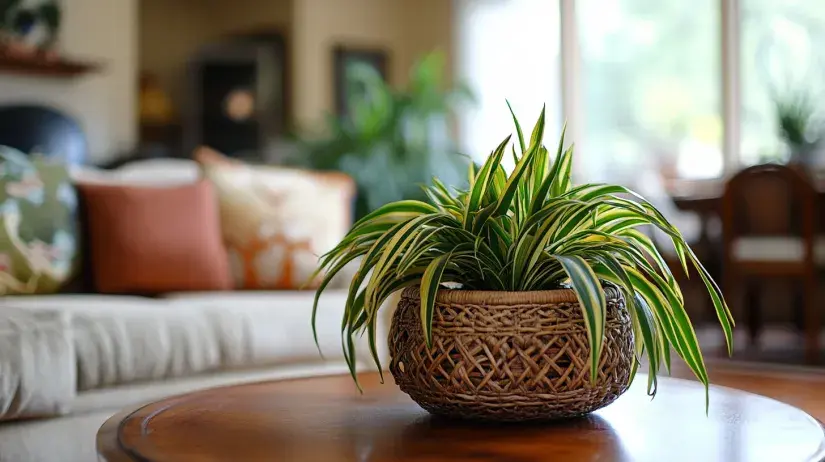
Houseplants not only decorate but also effectively improve air quality. Many common houseplants absorb toxins, remove pollutants, and release oxygen, creating a healthier environment. For both beginners and experienced plant enthusiasts, choosing the right air-purifying plants is crucial for improving indoor spaces. This guide explores the best houseplants for air purification, their benefits, and practical care tips to help them thrive.
Why are air-purifying houseplants so important?
Indoor air can be polluted by volatile organic compounds (VOCs) from cleaning products, furniture, paint, and electronics. Poor air quality can lead to allergies, headaches, and fatigue. Air-purifying plants help naturally filter these toxins, improving health and comfort. Furthermore, greenery can promote mental well-being, relieve stress, and enhance the aesthetics of a room. By choosing plants with proven purifying properties, you ensure your indoor garden is both beautiful and functional.
Sansevieria (Snake Plant) – A Long-Lasting Air Purifier
Sansevieria is one of the most effective air-purifying houseplants. It removes harmful substances such as formaldehyde, benzene, and trichloroethylene, and even releases oxygen at night. Sansevieria thrives in low light and requires little water, making them ideal for beginners. Placing them in bedrooms, living rooms, or offices enhances the environment and purifies the air.
Peace Plant – Elegant and Practical
Peace plants (Spathiphyllum) are beautiful flowering plants with excellent air-purifying properties. They absorb mold spores, benzene, and carbon monoxide from indoor air. Peace plants prefer moderate, indirect light and consistently moist soil. Their white flowers and bright green leaves make them a beautiful addition to any room. Regular care, including dusting the leaves and occasional fertilizing, ensures healthy growth.
Spider Plant – Simple and Effective
Spider plants are easy-to-care-for and air-purifying plants, perfect for beginners. They remove pollutants like carbon monoxide and formaldehyde while simultaneously releasing oxygen. Spider plants grow quickly and produce saplings, making them easy to propagate. They prefer bright, indirect light and only need occasional watering when the soil is slightly dry. Hanging baskets, shelves, or corners are ideal spots for spider plants.
Aloe vera – Functional and decorative
Aloe vera is a succulent known for its air-purifying and medicinal properties. It removes benzene and formaldehyde and releases oxygen, which improves indoor air quality. Aloe vera prefers bright, indirect light and requires little water. The leaves contain a gel that can be used for burns and skin care. Placing aloe vera on a windowsill or countertop offers both health benefits and decorative appeal.
Aypsis lutescens – Lush and humidifying
Aypsis lutescens is a popular houseplant known for its air-purifying and natural humidifying properties. It removes indoor pollutants and increases humidity in dry indoor air, making it ideal for bedrooms and living rooms. Aypsis lutescens requires bright, indirect light and regular watering. Their feathery, arching leaves create a tropical ambiance while also helping to purify and improve air quality.
Philodendron – Beautiful and easy-to-care-for air-purifying plant
Philodendrons are versatile and easy-to-care-for houseplants that remove formaldehyde and other toxins from the air. They thrive in low to medium light conditions and require moderate watering. The heart-shaped leaves and trailing tendrils of the philodendron make them ideal for shelves, hanging baskets, or tabletops. Occasional pruning promotes vigorous growth and keeps the plant healthy.
Boston Fern – A plant that purifies humid air
Boston ferns (Nephrolepis exaltata) effectively remove indoor air pollutants such as formaldehyde and xylene. They thrive in high humidity and diffused light, making them perfect for bathrooms or kitchens. Keep the soil consistently moist and mist regularly to maintain humidity. The Boston fern’s lush, arching fronds purify the air and are aesthetically pleasing.
Caring for Air-Purifying Houseplants
Choose a suitable pot with drainage holes to prevent overwatering and root rot. Use well-draining soil and water each plant as needed. Ensure the plant receives sufficient light.
How often should I water my air-purifying plants?
Watering frequency depends on the plant species, pot size, and indoor environment. Check the soil moisture before watering to avoid overwatering.
Are there shade-tolerant air-purifying plants?
Yes, plants like sansevieria, lilies, and philodendrons are shade-tolerant but can still purify the air indoors.
How many plants are needed to effectively purify the air?
NASA research suggests that placing 1-2 medium-sized plants per 100 square feet of indoor space can achieve significant air purification.
Conclusion
Air-purifying houseplants offer a triple benefit: aesthetics, health, and improved indoor air quality. Plants like sansevieria, lilies, spider plants, aloe vera, areca palms, philodendrons, and Boston ferns are easy to care for and very effective at removing toxins from the air. Proper care, including watering, light management, soil maintenance, and pest and disease control, ensures these plants thrive and continuously purify the air in your home. Adding air-purifying plants indoors can improve your living environment and your overall health, making them an essential choice for any indoor environment.

Welcome to Walls and Clouds! Your go-to destination for inspiration, tips, and ideas on vertical gardening. Our mission is to make gardening accessible to everyone, no matter the size of their space. We believe that even a small wall can bring a touch of nature into everyday life.