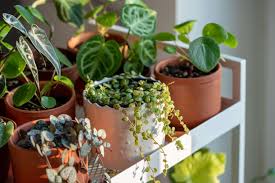
Houseplants add beauty, freshness, and tranquility to indoor spaces. However, many plant lovers struggle to ensure their plants thrive long-term. Incorrect watering, insufficient light, pests, diseases, and neglect often lead to wilted leaves, stunted growth, and even plant death. Knowing the correct care techniques and common mistakes can help your houseplants thrive and extend their lifespan. This guide offers practical care tips for both beginners and experienced plant lovers.
Understanding Plant Needs
Every houseplant has unique growing requirements, depending on the species. Some plants, such as succulents and cacti, need a lot of light and little water, while tropical plants, such as lilies and ferns, prefer indirect light and consistently moist soil. Research your plants’ natural habitats, including their preferences for light, humidity, temperature, and soil type. Adapting their growing environment to their needs is essential for their survival and long-term healthy growth.
Proper Watering
Incorrect watering is a major cause of problems with houseplants. Overwatering can lead to root rot, yellowing leaves, and fungal infections. Insufficient watering can cause plants to wilt, dry out their leaves, and stunt growth. Always check the soil’s moisture before watering by inserting your finger about an inch deep into the soil. Water when the soil feels dry, allowing excess water to drain from the pot to prevent waterlogging. Use room-temperature water to avoid irritating the roots.
Ensure Sufficient Light
Light is crucial for photosynthesis and plant health. Determine whether your plant needs low, medium, or high light. Place shade-loving plants like sansevierias or money trees in a shady spot, while succulents and other light-loving plants need a sunny windowsill. If there isn’t enough natural light, consider using a plant grow light. Regularly rotating the plant promotes even growth and prevents uneven development.
Choose the Right Soil and Pot
Using the right soil and pot is essential for plant health. Well-draining soil prevents waterlogging and promotes healthy root growth. Different plants require different soil types; for example, cacti and succulents need well-drained sandy soil, while tropical plants thrive in nutrient-rich loam. Pots with drainage holes allow excess water to drain, reducing the risk of root rot.
Proper Fertilization
Plants need nutrients to thrive. During the growing season, use a balanced, water-soluble fertilizer to promote leaf and root development. Avoid overfertilization, as this can lead to root burn or excessively fast, yet weak plants. Slow-release fertilizers are suitable for easy-care plants, while liquid fertilizers allow for precise control of nutrient uptake. Adjust the amount of fertilizer based on the season and plant species.
Maintaining Appropriate Humidity and Temperature
Many houseplants, especially tropical plants, thrive in moderate to high humidity. Low indoor humidity, often found in winter, can cause leaves to dry out and stunt growth. Humidity can be increased by misting, placing a pebble tray, or using a humidifier nearby. Temperature also affects plant health. Avoid placing plants near vents, heaters, or air conditioners, as sudden temperature fluctuations can cause stress and leaf drop.
Regular Pruning and Cleaning
Regular pruning promotes vigorous growth, removes dead or damaged leaves, and prevents the spread of disease. Wiping leaves with a damp cloth removes dust, improves photosynthesis, and keeps plants healthy. Removing yellowed leaves or wilted flowers allows plants to direct their energy toward new growth. For drooping plants, pruning overgrown tendrils promotes more vigorous and aesthetically pleasing growth.
Pest and Disease Control
Pests such as spider mites, aphids, and mealybugs can damage houseplants. Early detection is crucial. Regularly inspect leaves, stems, and soil for signs of infestation. For minor infestations, natural methods can be used, such as applying neem oil, insecticidal soap, or wiping the leaves with a cloth.
FAQs
Should I water my houseplants?
The amount of water depends on the plant species, pot size, soil type, and indoor environment. Always check the soil moisture before watering.
What is the best light for houseplants?
Choose the right light source based on the plant species. Shade-tolerant plants can tolerate shade, while succulents and flowering plants need bright, indirect light.
How do you prevent indoor pests?
Check your plants regularly, isolate newly purchased plants, clean the leaves, and use natural pesticides like neem oil if necessary.
When should I repot my houseplants?
Repot when the roots fill the pot, the soil quality deteriorates, or most plants need repotting every 1-2 years.
Does pruning extend a plant’s lifespan?
Yes. Pruning removes damaged leaves, promotes leaf growth, and prevents the spread of diseases, thus extending a plant’s lifespan.
Conclusion
To ensure your houseplants live longer, you must understand their specific needs, provide the right amount of water, light, soil, and nutrients, and create a clean and healthy environment. Regular observation, pruning, and pest and disease monitoring are essential for healthy plant growth. By following these practical steps, both novice and experienced gardeners can enjoy lush, vibrant houseplants for years to come. Healthy houseplants not only enhance the aesthetics of your home but also improve air quality, reduce stress, and create a peaceful environment. With continued, careful care, your houseplants can flourish and become long-lasting companions in your home.

Welcome to Walls and Clouds! Your go-to destination for inspiration, tips, and ideas on vertical gardening. Our mission is to make gardening accessible to everyone, no matter the size of their space. We believe that even a small wall can bring a touch of nature into everyday life.