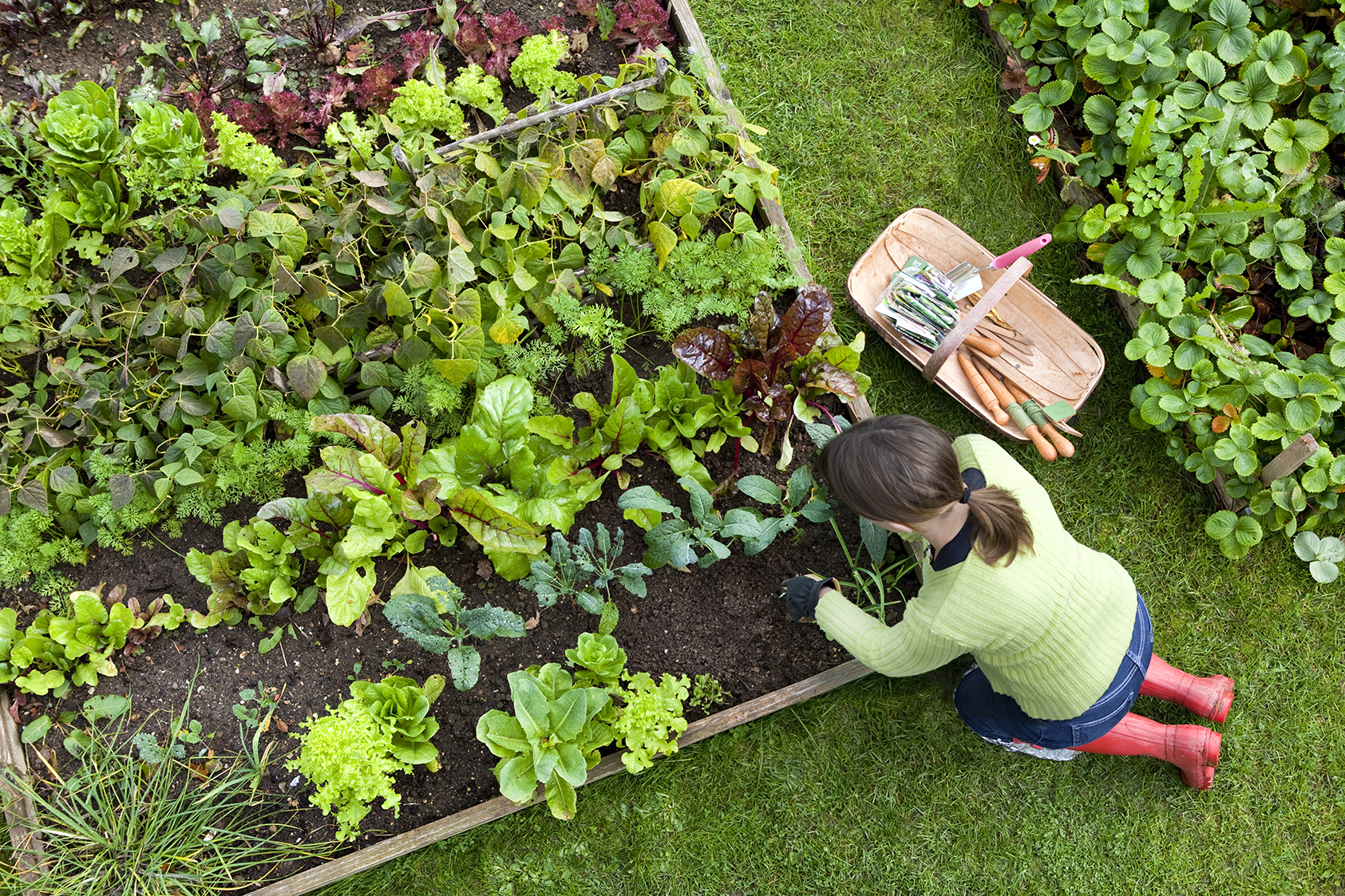
Home gardening is more than just a hobby; it’s a fantastic way to enhance your living space, improve your mental well-being, and enjoy fresh, home-grown produce and flowers. For beginners, starting to garden can be overwhelming, with questions about soil, plants, sunlight, and care. This comprehensive guide is designed to help anyone, regardless of experience, create a lush garden that suits their space, lifestyle, and goals.
Why start gardening at home?
The benefits of gardening go far beyond aesthetics. Growing your own vegetables, herbs, and flowers saves money, reduces your environmental impact, and provides access to fresh, organic produce. Studies show that gardening can reduce stress, improve your mood, and encourage physical activity. Furthermore, creating a home garden allows you to connect with nature and develop beneficial habits. Starting small and learning gradually makes home gardening simple, fun, and easy, even for beginners.
Choosing the right garden space
Location is crucial for a successful garden. Most plants need at least 6 hours of sunlight per day, so choose a location with plenty of natural light. If outdoor space is limited, potted plants on a balcony, patio, or windowsill are a good option. Make sure the chosen location is well-draining, easy to water, and can withstand extreme weather conditions or strong winds. Even small spaces, with careful planning, can support a variety of flowers, herbs, and vegetables.
Plant Selection for Beginners
Starting with easy-to-grow plants increases your chances of success. Vegetables like tomatoes, lettuce, radishes, and spinach grow quickly and are easy to care for. Herbs like basil, mint, parsley, and chives thrive in pots with minimal care. Ornamentals like marigolds, sunflowers, zinnias, and pansies are adaptable, vigorous, and brightly colored choices. Choosing plants that are suitable for your local climate and growing conditions is crucial. Beginners may want to consider native plants or varieties labeled “easy to care for.”
Soil Preparation
Healthy soil is the foundation for a thriving garden. Test the soil pH to ensure it’s suitable for the plants you want to grow. Most vegetables and flowers prefer slightly acidic to neutral soil (pH 6-7). Soil fertility can be improved by adding organic matter such as compost, well-rotted manure, or peat moss. Well-drained soil prevents root rot, promotes the growth of microorganisms, and provides essential nutrients. For potted plants, use high-quality potting soil instead of garden soil for good aeration and drainage.
Watering Basics
Proper watering is crucial for plant health. Overwatering leads to root rot, fungal diseases, and poor growth, while underwatering leads to wilting, nutrient deficiencies, and poor flowering. Check soil moisture regularly; water when the topsoil is dry (about 1 inch). Using a watering can or drip irrigation system ensures more efficient watering and prevents excessive foliar spray, reducing the risk of disease. Mulching around plants helps retain moisture in the soil, suppresses weed growth, and regulates soil temperature.
Garden Fertilization
Plants require far more nutrients than the soil can provide. Fertilization promotes growth, strengthens the root system, and encourages flowering and fruiting. Beginners should start with a balanced fertilizer (e.g., 10-10-10) to promote overall plant growth. Organic fertilizers, such as compost, worm castings, bone meal, and fish milk, are safe and effective. Fertilize according to the plant’s needs and growth stage: use nitrogen-rich fertilizers to promote leaf growth, phosphorus-rich fertilizers to encourage flowering, and potassium-rich fertilizers to promote root health and improve root resilience. Avoid overfertilization, as this can damage the plant.
Pest and Disease Control
Pests and diseases can be challenging for novice gardeners, but prevention is better than cure. Inspect plants regularly for signs of aphids, mites, or fungal infections. Encourage the reproduction of beneficial insects such as ladybugs and predatory beetles. Use organic pesticides such as neem oil, insecticidal soap, or companion planting to control harmful pests. Good air circulation, proper spacing between plants, and clean tools can reduce the risk of disease. Early detection and intervention can prevent…
Fall is the ideal season for planting cool-season vegetables, pruning perennials, and preparing the soil for winter. Winter is an excellent time to improve the soil, plan plantings, and grow potted plants or herbs indoors. By adapting your gardening habits to the seasons, you’ll ensure a bountiful harvest year-round.
Container Gardening for Small Spaces
Even if you don’t have a garden, you can grow flowers, vegetables, and herbs with container gardening. Use well-draining pots and high-quality potting soil. Group pots based on their light requirements and consider vertical gardening techniques if space is limited. Container gardening also makes it easier to manage soil quality, watering, and fertilizer. Herbs, lettuce, cherry tomatoes, and small flowering plants thrive in pots, offering beginners ease and flexibility.
Frequently Asked Questions
1. How often should I water my vegetable garden?
Water when the top 1-2 inches (2.5-5 cm) of soil is dry. Watering frequency depends on the plant species, pot size, and weather conditions, usually 2-4 times a week.
2. Can I start without gardening experience?
Yes. Start with easy-to-grow plants, master the basics of soil and watering, and then gradually expand your knowledge and plant selection.
3. How can I naturally prevent pests and diseases?
Encourage beneficial insects, practice companion planting, maintain healthy plants, and use organic sprays like neem oil when necessary.
4. Do all types of plants need fertilizer?
Most plants benefit from fertilizer, especially during their vigorous growth or flowering period. Organic fertilizers can safely provide nutrients and improve soil health.
5. How can I make my small garden highly productive?
Utilize vertical gardening, container gardening, companion planting, and choose high-yielding, easy-to-care-for varieties to maximize space and increase yield.
Conclusion
Home gardening is a colorful and enjoyable activity that can improve your environment, health, and lifestyle. Even beginners can have a thriving garden by choosing the right location, selecting beginner-friendly plants, properly preparing the soil, and consistently caring for it. Knowledge of watering, fertilizing, pest and disease control, and seasonal care will ensure healthy, robust, and productive plants. Start small, observe, and learn gradually—over time, your vegetable garden will flourish and yield beautiful, fresh produce and a satisfying sense of accomplishment.

Welcome to Walls and Clouds! Your go-to destination for inspiration, tips, and ideas on vertical gardening. Our mission is to make gardening accessible to everyone, no matter the size of their space. We believe that even a small wall can bring a touch of nature into everyday life.