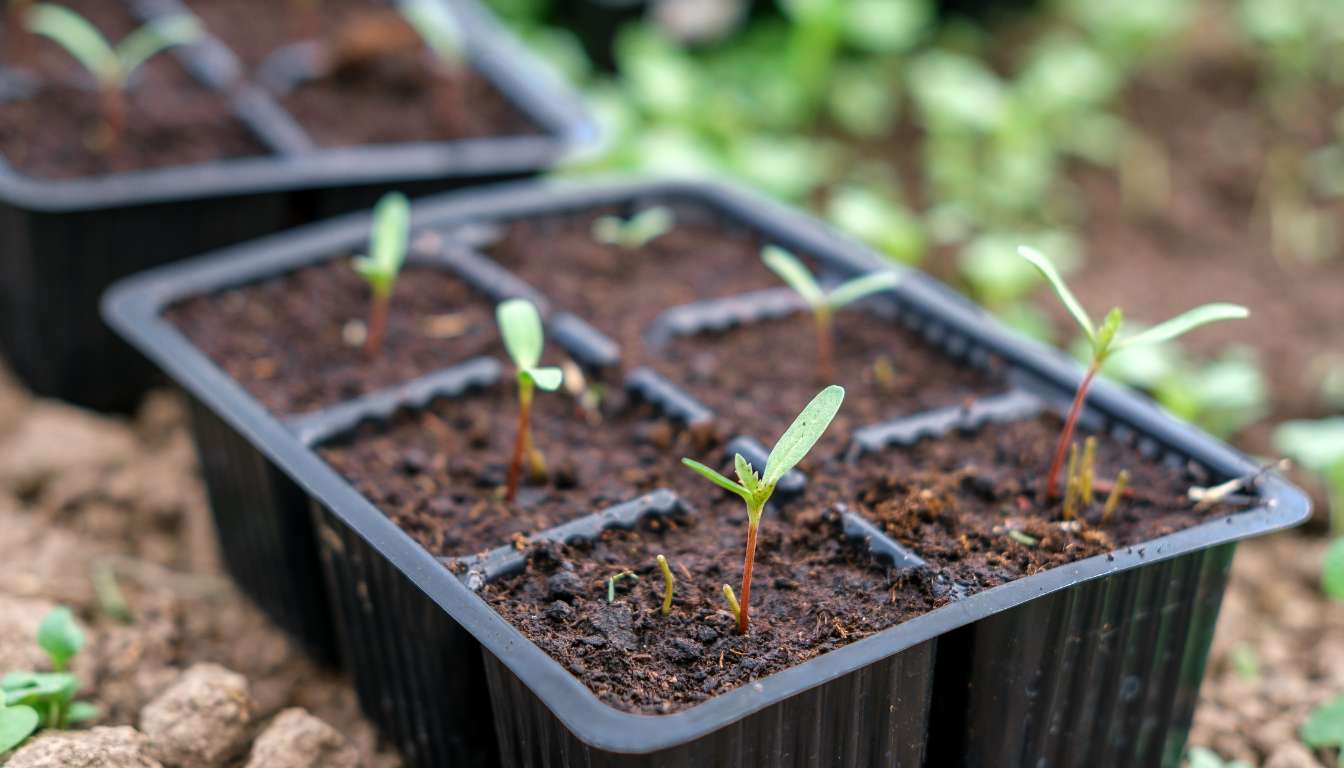
Flowering plants add life, color, and fragrance to any garden or home. However, even the healthiest-looking plants need proper nutrition to produce vibrant blooms. Fertilizers play a crucial role in providing essential nutrients that the soil may lack. Choosing the right fertilizer can dramatically improve flower growth, enhance bloom quality, and prolong flowering periods. Whether you are a beginner gardener or an experienced plant lover, understanding fertilizers and their application is key to achieving a beautiful and thriving garden.
Why Fertilizers Are Important for Flowering Plants
Fertilizers supply plants with nutrients that may not be sufficiently available in the soil. The three main nutrients, often called N‑P‑K, are nitrogen (N), phosphorus (P), and potassium (K). Nitrogen promotes healthy leaf and stem growth, phosphorus encourages strong root development and flower formation, and potassium supports overall plant health, disease resistance, and vibrant blooms. While flowers need all three nutrients, phosphorus is particularly important during bloom production to ensure large, healthy flowers. Using fertilizers correctly ensures plants receive balanced nutrition for growth, resilience, and consistent flowering.
Understanding Fertilizer Labels and N-P-K Ratios
Fertilizer labels display N‑P‑K ratios, which indicate the percentage of nitrogen, phosphorus, and potassium in the product. For example, a 10‑20‑10 fertilizer contains 10% nitrogen, 20% phosphorus, and 10% potassium. Understanding these ratios helps you choose the right fertilizer based on the plant’s growth stage. Balanced fertilizers (10‑10‑10 or 14‑14‑14) are ideal for overall growth, especially for young plants. Bloom boosters with higher phosphorus (e.g., 10‑30‑20 or 15‑30‑15) are perfect for encouraging flowers. Fertilizers with higher potassium strengthen roots and improve resistance to stress and diseases.
Top Organic Fertilizers for Flowering Plants
Organic fertilizers are an excellent choice for gardeners who prefer sustainable and eco-friendly methods. They enrich soil naturally, improve structure, and promote healthy microbial activity.
Vermicompost / Worm Castings: Worm castings are nutrient-rich and improve soil texture. They release nutrients slowly, preventing overfeeding while supporting healthy root development. Incorporate them into potting soil or garden beds for continuous nourishment.
Bone Meal: Bone meal is high in phosphorus and calcium, which stimulates strong root growth and flower formation. It’s ideal for bulbs, perennials, and roses. Apply lightly when planting or as a side-dressing to established plants.
Compost and Well-Rotted Manure: Compost provides a wide range of nutrients, improves soil drainage, and enhances moisture retention. Well-rotted manure adds nitrogen and organic matter to support lush foliage and strong flowering. Apply during soil preparation or as a top-dressing throughout the growing season.
Fish Emulsion and Seaweed-Based Fertilizers: Liquid fertilizers like fish emulsion or seaweed extract provide quick nutrient uptake, trace elements, and growth hormones that enhance flower production. Use them as regular foliar sprays or soil drenches for container plants and garden beds.
Popular Synthetic Fertilizers for Flowering Plants
Synthetic fertilizers are convenient and effective, especially for rapid growth or large gardens. They are formulated to deliver precise nutrients, but must be used correctly to avoid over-fertilization.
Balanced All-Purpose Fertilizers: Products like 10‑10‑10 are suitable for mixed plantings and general maintenance. They provide steady growth for both leaves and blooms.
Bloom Boosters: High-phosphorus fertilizers (e.g., 10‑30‑20) redirect energy toward flowers rather than leaves. Use them during the budding and flowering stages for vibrant, long-lasting blooms.
Slow-Release Fertilizers: These granules release nutrients gradually over weeks or months. They are excellent for container plants, balcony gardens, or gardeners who prefer low-maintenance feeding. Apply at planting or season start to reduce frequent fertilization.
How to Apply Fertilizers Effectively
Proper application is crucial for maximizing benefits and avoiding damage. For granular fertilizers, spread evenly around the root zone and water thoroughly to help nutrients penetrate the soil. For liquid fertilizers, follow the instructions on dilution and apply directly to the soil or as a foliar spray. Fertilize during the plant’s active growth or bloom period, and avoid excessive nitrogen during flowering to prevent leafy growth at the expense of blooms. Consistent, moderate feeding promotes healthy growth and sustained flowering.
Common Fertilizer Mistakes to Avoid
Over-fertilization can burn roots, cause rapid leaf growth with fewer flowers, and even kill plants. Under-fertilization leads to weak growth, small or no flowers, and susceptibility to diseases. Using the wrong fertilizer at the wrong stage (like high-nitrogen during flowering) is another common error. Always read product labels, follow recommended dosages, and monitor plant health. Additionally, avoid fertilizing dry soil; always water plants before or after applying nutrients to prevent root damage.
Tips for Container Flowering Plants
Container plants require extra care as nutrients wash out quickly during watering. Use a combination of slow-release granular fertilizers and regular liquid feeding for consistent growth. Organic amendments like compost or worm castings can improve soil structure and nutrient retention. Check soil pH regularly, as some flowering plants (like azaleas or camellias) prefer slightly acidic soil. Regular monitoring ensures healthy blooms and avoids nutrient deficiencies.
Seasonal Fertilization Schedule
-
Spring: Use balanced fertilizers to support new growth and root development.
-
Pre-Bloom: Switch to bloom-boosting fertilizers to encourage flower formation.
-
During Bloom: Apply light liquid feeding every 2–3 weeks to maintain vibrant blooms.
-
Late Season: Reduce feeding as plants slow down, but provide potassium-rich fertilizers to strengthen roots before winter.
FAQs
1. Can I use the same fertilizer for all flowering plants? While some general-purpose fertilizers work for most flowers, using bloom-specific formulas with higher phosphorus produces better results for flowering plants.
2. How often should I fertilize flowering plants? Typically, every 4–6 weeks with granular fertilizers or every 2–3 weeks with liquid fertilizers during active growth and blooming.
3. Can over-fertilization harm flowers? Yes, excess fertilizer can burn roots, promote excessive leaf growth, and reduce flowering. Always follow recommended dosages.
4. Are organic fertilizers as effective as synthetic ones? Organic fertilizers are slower acting but improve soil health and are safer for long-term plant growth. They can be as effective if used consistently.
5. How do I know my flowers need fertilization? Signs include slow growth, pale or yellowing leaves, fewer blooms, or small flowers. Soil testing can also identify nutrient deficiencies.
Conclusion
Using the right fertilizer at the right time is essential for strong, healthy flowering plants. Organic options like worm castings, compost, bone meal, and liquid fertilizers provide safe and natural nutrients, while synthetic products offer precise, fast-acting results. Understanding N‑P‑K ratios, application techniques, and plant-specific needs ensures vibrant blooms, resilient plants, and long-lasting beauty in your garden or home. By avoiding common mistakes and following proper fertilization practices, gardeners can enjoy flourishing flowers year after year.

Welcome to Walls and Clouds! Your go-to destination for inspiration, tips, and ideas on vertical gardening. Our mission is to make gardening accessible to everyone, no matter the size of their space. We believe that even a small wall can bring a touch of nature into everyday life.