Gardening is a fun activity that combines creativity, relaxation, and exercise. Whether you’re growing flowers, vegetables, or herbs, using the right tools can make gardening easier, more efficient, and more enjoyable. For both beginners and experienced gardeners, the right tools ensure safe and efficient work and promote healthy plant growth. This guide introduces the best tools for amateur gardeners, explains how to use them, and provides maintenance tips to extend their lifespan.
Why Choosing the Right Garden Tools Is Crucial
Choosing the right tools can significantly improve the efficiency and safety of gardening. Using unsuitable or poor-quality tools can damage plants, increase physical strain, and lead to frustration. Durable and ergonomic tools reduce workload, ensure precision, and save time. Investing in high-quality garden tools may seem expensive at first, but they perform better, last longer, and make gardening more enjoyable and efficient.
User-Friendly Hand Tools for Everyday Gardening
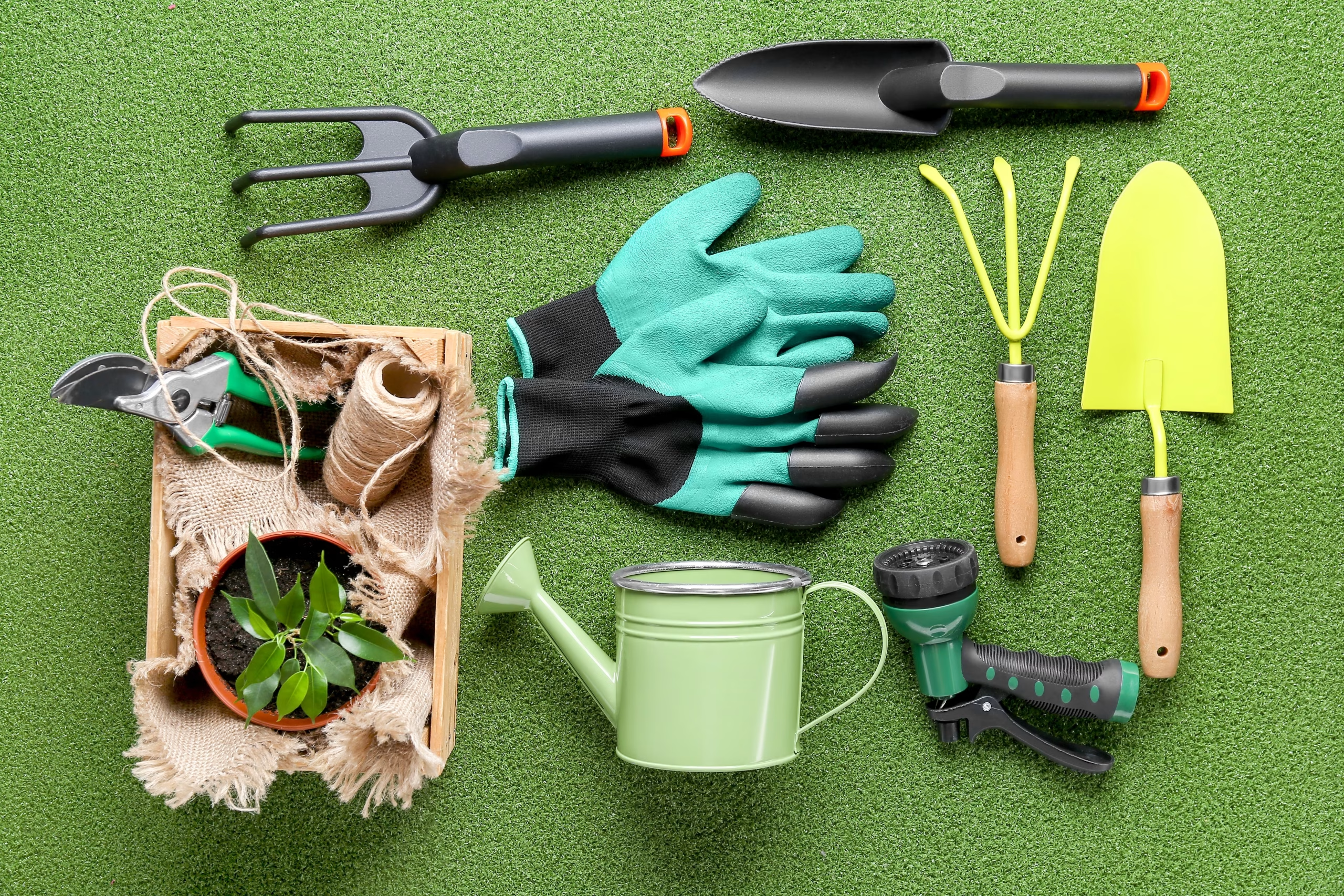
Hand tools are versatile and suitable for small gardens, potted plants, and more delicate tasks. A sturdy garden trowel is perfect for digging holes, transplanting seedlings, or planting flower bulbs. A garden fork helps loosen, weed, and loosen the soil without disturbing nearby plants. Pruning shears trim flowers, shrubs, and twigs neatly, promoting healthy plant growth and minimizing the risk of disease. A weeding knife with a narrow fork tip effectively removes weeds from between the roots, preventing them from competing with plants for nutrients. Comfortable garden gloves protect your hands from thorns, rough soil, and chemicals and provide a better grip.
Soil Preparation and Planting Tools
Good soil preparation is essential for successful planting. A garden trowel is an essential tool for digging, leveling seedbeds, and moving soil or compost. A garden fork helps loosen compacted soil, improving soil aeration and promoting root growth. A soil knife (also called a root knife) is versatile and ideal for cutting roots, plants, and divisions. Regular watering is crucial; Therefore, a watering can can be used to water small areas, while a garden hose with an adjustable spray nozzle can be used for larger areas, ensuring plants receive the necessary amount of water. Mulching with tools such as small rakes or by hand helps to evenly distribute organic matter, improve soil moisture retention, and reduce weeds.
Tools for Pruning, Shaping, and Harvesting
Plant maintenance is essential for optimal growth and higher yields. Long-handled pruning shears are suitable for pruning thicker branches that manual pruning shears cannot handle, and the long handle reduces fatigue from repeated use. Hedge trimmers are specifically designed for pruning shrubs and maintaining the beauty of the garden. Small shears or harvesting knives make it easy to harvest vegetables, fruits, and herbs without damaging the plants. Proper pruning and regular maintenance help keep plants healthy, promote new growth, and increase yield.
Tools for Large Garden Projects
For larger garden or landscaping projects, other tools can help you get the job done efficiently. A wheelbarrow is an indispensable tool for moving soil, compost, mulch, or plants, saving time and effort. A garden rake can be used to level the ground, spread mulch, and collect fallen leaves and debris. A durable shovel is essential for digging larger holes, transplanting shrubs, or mixing soil amendments. These tools reduce physical labor and complete large projects efficiently, allowing gardeners to focus on plant care and aesthetics.
Garden Tool Maintenance
Proper maintenance of garden tools extends their lifespan and ensures consistent performance. Clean tools after each use to prevent rust and the spread of bacteria. Regularly sharpening the blades ensures clean, precise cuts. Oiling metal parts prevents corrosion, and storing tools in a dry, clean place keeps them in good condition. Ergonomic tools with comfortable handles minimize strain on the wrists and back, making gardening safer and more enjoyable.
Ergonomic modern garden tools
Modern tools are designed for comfort and efficiency. Ergonomic handles reduce fatigue, especially by researching reputable brands and reading reviews, you can be sure that tools are reliable and suitable for your gardening needs. Regular maintenance of your tools ensures that they remain efficient, safe, and easy to use, even over time.
Frequently Asked Questions
Does my small garden need all these tools?
For a small garden, it’s advisable to start with some basic garden tools, such as a trowel, pruning shears, gloves, and a watering can. As your garden grows or you require more professional gardening work, you can gradually add more tools.
How do I prevent garden tools from rusting?
Clean the tools after each use, dry them thoroughly, and apply a thin layer of oil to the metal surfaces. Store the tools in a dry place and avoid moisture.
Are ergonomic tools worth the investment?
Ergonomic tools are very useful, especially for gardeners who work outdoors for long periods of time or have joint and back problems. They reduce fatigue, allowing you to work longer and more safely.
Can I use the same tools to grow flowers and vegetables?
Most garden tools are versatile and suitable for both ornamental and edible plants. However, specialized tasks such as pruning or harvesting may require specialized tools for optimal results.
How often should pruning shears be sharpened?
When pruning shears start to cut unevenly, they need to be sharpened. This should typically be done every few weeks during periods of heavy gardening activity to maintain clean, sharp cuts and promote healthy plant growth.
Conclusion
Using the right garden tools is essential for a successful, enjoyable, and efficient vegetable garden. From hand tools for planting and pruning to larger tools for tilling and landscaping, each tool plays a unique role: increasing productivity and promoting plant health. Proper maintenance, careful selection, and gradually expanding the toolbox can help gardeners save time, reduce physical labor, and ensure lasting results. By investing in quality tools and using them correctly, amateur gardeners can create lush, beautiful gardens that pay off year-round.

Welcome to Walls and Clouds! Your go-to destination for inspiration, tips, and ideas on vertical gardening. Our mission is to make gardening accessible to everyone, no matter the size of their space. We believe that even a small wall can bring a touch of nature into everyday life.