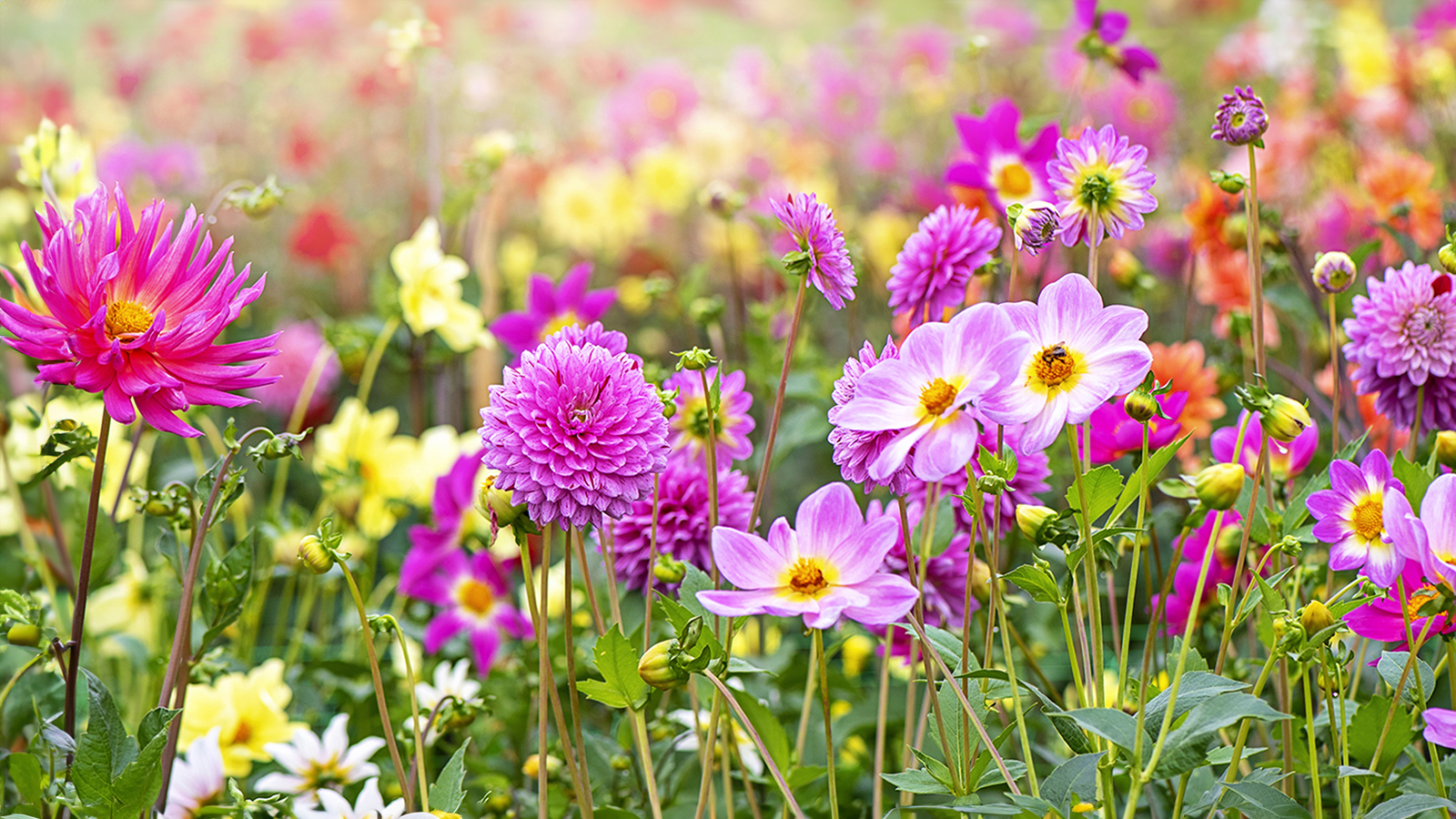
Growing flowers is one of the most enjoyable ways to add beauty and life to your home or garden. Yet, even experienced gardeners sometimes make simple mistakes that prevent their flowers from thriving. From overwatering to the wrong planting location, these small mistakes can affect the quality of the flowers, the health of the plant, and its overall growth. Understanding common flower growing mistakes and how to avoid them is essential for a vibrant, sustainable garden. This guide covers the most common mistakes beginners make and offers some practical solutions to ensure your flowers thrive.
Overwatering or Underwatering
One of the most common mistakes is overwatering. Overwatering can lead to root rot, yellowing leaves, and fungal diseases, while underwatering can result in wilting, poor growth, and fewer flowers. Different flowers have different watering needs. For example, petunias and impatiens need moist soil, while lavender, zinnias, and marigolds prefer well-drained, slightly dry soil. Always check the soil’s moisture before watering: insert your finger about 1-2 inches (2.5-5 cm) into the soil. Water when the soil feels dry; water when it feels moist. Use pots with drainage holes and a moisture-retaining mulch to prevent watering mistakes.
Incorrect Planting Location
Another common mistake is planting flowers in the wrong location. Most flowering plants need at least 6-8 hours of sunlight per day, while some prefer partial shade. Planting sun-loving plants in shady spots can lead to weak stems and fewer flowers. Conversely, planting shade-loving plants in direct sunlight can cause leaf burn and rapid water loss. Check the sunlight requirements of each flower and adjust them to the space in your garden or balcony to ensure they thrive.
Neglecting Soil Quality
Soil quality is crucial for flower health. Using heavy, compacted, or infertile soil stunts plant growth and reduces flowering. Garden soil alone is often insufficient for potted plants. Flowers need loose, well-draining soil rich in organic matter, such as compost or peat moss. Mix potting soil with perlite or vermiculite for better drainage and root aeration. Healthy soil prevents nutrient deficiencies, reduces the risk of disease, and promotes abundant flowering.
Overfertilisation
Many beginners make the mistake of planting too close together. Overfertilization causes flowers to compete for sunlight, water, and nutrients, resulting in weak, lanky plants and fewer blooms. Follow the spacing recommendations on the seed packet or plant label. Thin existing plants as needed to make room for growth. Proper spacing improves air circulation, reduces fungal infections, and produces stronger, healthier flowers.
Neglecting Fertilization
Flowers need nutrients to thrive and bloom. Many gardeners fertilize too much or not at all. Overfertilization leads to excessive foliage and fewer flowers, while underfertilization results in weak plants that struggle to bloom. Use a balanced fertilizer tailored to your plants’ needs and consider slow-release or organic fertilizers to maintain the soil’s nutritional value over the long term. Mixing compost into the soil can naturally provide essential nutrients.
Neglecting Pest and Disease Control
Pests and diseases are common problems that can ruin flowering plants if left unchecked. Aphids, spider mites, whiteflies, and fungal infections can all damage leaves and flowers. Check your plants regularly for signs of pests or diseases, such as discolored leaves, holes, wilting, or powdery mildew. Remove infected leaves, control pests with natural methods like neem oil or insecticidal soap, and ensure good air circulation around the plant to prevent mold growth. Early detection is essential for protecting your flowers.
Incorrect Planting Time
Timing is crucial when planting flowers. Planting too early or too late can affect germination and flowering. Some flowers, such as marigolds and zinnias, should be planted after the last frost, while others, such as pansies and violets, can tolerate lower temperatures. Read the seed packaging or plant label carefully to determine the optimal planting time. Planting on time ensures healthy plant growth and maximizes flowering potential.
Many gardeners prune too much
Before transplanting seedlings into garden or balcony pots, harden them off for 5-7 days to avoid sunlight, wind, and outdoor temperatures. Hardening them off improves the seedlings’ resilience and increases their survival rate.
Ignoring Environmental Factors
Flowers are very sensitive to environmental factors such as wind, temperature, and humidity. Planting in strong winds can damage the stems, while extreme temperatures can stunt growth. Houseplants can suffer from low humidity or temperature fluctuations. Understanding your plant’s environmental preferences and providing the necessary protection, such as shade cloths, windbreaks, or humidifiers, can ensure flowers bloom year-round.
Watering Without Mulching
Many gardeners water their plants regularly but forget to mulch. Mulch not only retains moisture in the soil but also suppresses weed growth and protects the roots from extreme temperatures. Organic mulch, such as bark, straw, or compost, improves soil structure and provides nutrients as it decomposes. Mulching is a simple and easy way to reduce watering and contribute to healthy flower growth in the long term.
Frequently Asked Questions
1. Why aren’t my flowers blooming?
A lack of blooms can be due to insufficient light, a lack of nutrients, overwatering, or the wrong planting time. Check these factors and take the appropriate measures.
2. How do I prevent root rot in flowers?
Ensure good drainage in pots and flowerbeds, avoid overwatering, and use well-draining soil.
3. How often should I fertilize my flowers?
Generally, I fertilize every 4-6 weeks during the growing season with a balanced fertilizer or a bloom fertilizer.
4. Can overcrowded plants recover?
Yes, thinning or transplanting can help plants recover, improve air circulation, and promote flowering.
5. How do I know if my flowers have been overwatered?
Signs of overwatering include yellowing leaves, soft, rotting stems, an unpleasant soil odor, and slow growth.
Conclusion
Avoiding common flower-growing mistakes is crucial for a healthy, vibrant garden. By understanding the correct watering, light, soil, spacing, fertilization, pruning, and timing, gardeners can prevent the most common problems that stunt plant growth or reduce flowering. Regular observation, careful care, and adjustments to planting methods can ensure beautiful, abundant blooms year after year. With patience and care, even beginners can successfully grow robust, brightly colored, and long-lasting flowers in their garden, on their balcony, or in pots.

Welcome to Walls and Clouds! Your go-to destination for inspiration, tips, and ideas on vertical gardening. Our mission is to make gardening accessible to everyone, no matter the size of their space. We believe that even a small wall can bring a touch of nature into everyday life.