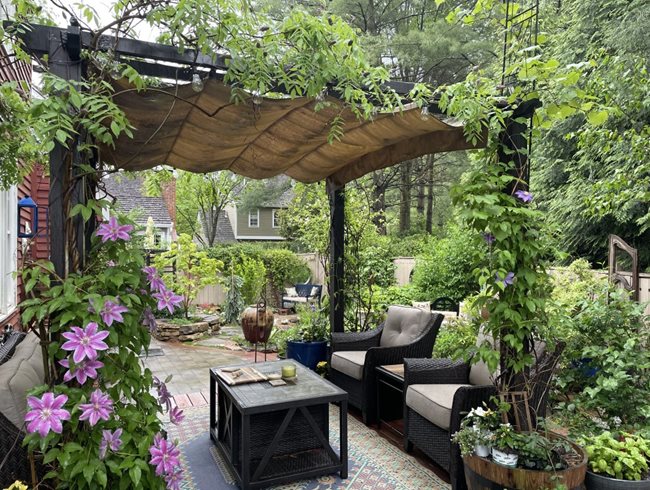
A well-designed garden is more than just an attractive addition to your home. It is a place to relax, entertain, and reconnect with nature. Many homeowners struggle with garden design because of limited space, poor planning, or high maintenance demands. The good news is that smart garden design ideas can solve these problems and help you create an outdoor space that is both beautiful and practical. This guide focuses on realistic, easy-to-follow garden design solutions that work for different spaces, budgets, and lifestyles.
Start With a Clear Garden Purpose
Before choosing plants or decorations, decide how you want to use your garden. Some people want a peaceful retreat, while others need space for family gatherings or children to play. Your purpose determines the layout, plant choices, and features.
If relaxation is your goal, include seating areas, soft lighting, and calming plants. For families, open lawns and durable surfaces work best. A clear purpose prevents overcrowding and ensures your garden feels balanced and functional rather than confusing.
Understand Your Garden Space and Conditions
Every garden has unique conditions that affect design choices. Observe how sunlight moves across your space throughout the day. Some areas may receive full sun, while others stay shaded. Soil type, drainage, and wind exposure also play a major role in plant health.
Designing without understanding these factors often leads to struggling plants and wasted effort. Choosing plants and materials that suit your environment reduces maintenance and increases long-term success.
Choose the Right Garden Layout
A strong layout is the foundation of good garden design. Straight lines and geometric shapes create a modern, structured look. Curved paths and organic shapes feel natural and relaxed. Small gardens benefit from simple layouts that avoid clutter, while larger gardens can be divided into zones.
Zoning helps organize the space into areas such as seating, planting, and pathways. This makes the garden easier to use and visually appealing. Clear pathways also improve movement and protect plants from damage.
Select Plants That Match Your Climate
One of the most common garden design mistakes is choosing plants based only on appearance. Plants that are not suited to your climate require extra water, fertilizers, and care. Native and climate-adapted plants grow stronger and resist pests naturally.
Mix evergreen plants with seasonal flowers to maintain year-round interest. Group plants with similar water and sunlight needs together. This simple approach improves plant health and makes maintenance easier.
Use Layers to Add Depth and Beauty
Layering plants creates a professional and natural look. Place taller plants like shrubs and small trees at the back, medium plants in the middle, and low-growing plants at the front. This design adds depth and improves airflow and sunlight access.
Vertical elements such as trellises, climbing plants, or garden walls add height without using extra ground space. Layering is especially useful in small gardens where space is limited.
Incorporate Hardscape Features for Structure
Hardscape elements give gardens structure and durability. Pathways, patios, borders, and retaining walls define spaces and make gardens more usable. Choose materials that complement your home’s style, such as stone for a natural look or concrete for a modern design.
Seating areas are essential for enjoying your garden. Even a small bench can transform a garden into a relaxing retreat. Lighting is another important feature that improves safety and highlights key design elements at night.
Design for Low Maintenance Living
A beautiful garden should not feel like a burden. Low-maintenance garden design focuses on smart plant choices and simple layouts. Ground covers reduce weeds, and slow-growing plants minimize pruning.
Automatic or drip irrigation systems save time and water. Mulching helps retain moisture and improves soil health. Avoid overly complex designs that require constant care. The goal is to enjoy your garden, not constantly work in it.
Add Color and Texture Thoughtfully
Color plays a powerful role in garden design. Too many bright colors can feel overwhelming, while a limited palette creates harmony. Choose two or three main colors and repeat them throughout the garden for consistency.
Texture is just as important as color. Combine plants with different leaf shapes, sizes, and surfaces to add visual interest. Mixing smooth leaves with rough or feathery textures creates a balanced and engaging design.
Small Garden Design Ideas That Work
Small gardens require careful planning to avoid feeling crowded. Vertical gardening, hanging plants, and wall-mounted planters maximize space. Light-colored surfaces and mirrors create the illusion of a larger area.
Multi-purpose furniture, such as storage benches, saves space and adds functionality. Keeping the design simple and open helps small gardens feel more spacious and inviting.
Sustainable Garden Design for the Future
Sustainable garden design benefits both homeowners and the environment. Using drought-tolerant plants reduces water use. Composting improves soil naturally and reduces waste. Rainwater collection systems provide an eco-friendly water source.
Wildlife-friendly gardens support birds, bees, and butterflies. Adding native flowers and avoiding harmful chemicals creates a healthier ecosystem. Sustainable gardens are more resilient and cost-effective over time.
Common Garden Design Mistakes to Avoid
Many people overcrowd plants, leading to poor growth and disease. Always allow space for plants to mature. Ignoring soil health is another common mistake that affects plant performance.
Poor planning often results in unused spaces or blocked pathways. Taking time to design before planting prevents costly changes later. A well-thought-out plan saves time, money, and effort.
Frequently Asked Questions
How do I design a garden with limited space?
Use vertical gardening, simple layouts, and multi-purpose features to maximize space.
What is the easiest garden style to maintain?
Native plant gardens with simple layouts are the easiest to maintain.
How can I make my garden look attractive all year?
Combine evergreen plants with seasonal flowers for continuous interest.
Is garden lighting necessary?
Lighting improves safety and highlights design features, especially in the evening.
Can I design my garden without professional help?
Yes, with proper planning and research, many homeowners successfully design their own gardens.
Final Thoughts
Great garden design combines beauty, function, and sustainability. By understanding your space, choosing the right plants, and planning for low maintenance, you can create an outdoor area that truly enhances your lifestyle. Thoughtful garden design ideas turn any space, big or small, into a welcoming and lasting outdoor retreat.

Welcome to Walls and Clouds! Your go-to destination for inspiration, tips, and ideas on vertical gardening. Our mission is to make gardening accessible to everyone, no matter the size of their space. We believe that even a small wall can bring a touch of nature into everyday life.