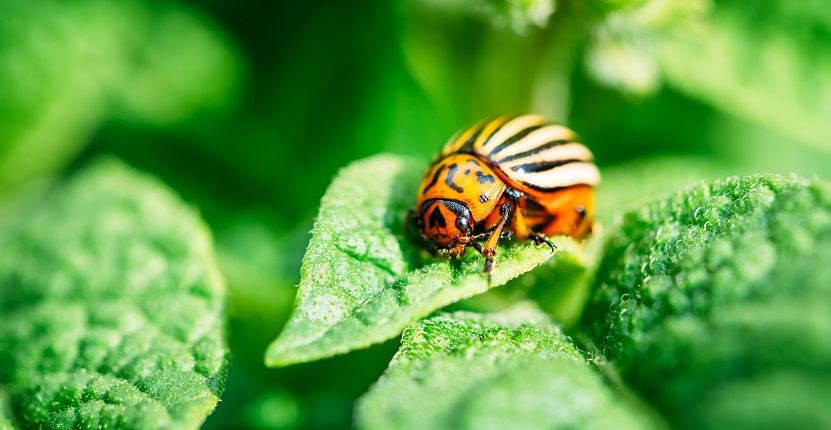
Garden pests are one of the most common challenges for both new and experienced gardeners. From insects that munch on leaves to animals that dig up soil, pests can reduce yields, damage plants, and create frustration. However, with the right knowledge and strategies, you can protect your garden without relying on harmful chemicals. This guide explains the most common garden pests, their impact, and natural, effective ways to control them while keeping your plants healthy.
Why Garden Pest Control Matters
Managing garden pests is essential for maintaining healthy plants and maximizing yields. Pests can stunt growth, spread disease, and ruin flowers or vegetables before harvest. Effective pest control ensures that your hard work in planting, watering, and fertilizing is not wasted. Using natural methods promotes biodiversity and preserves beneficial insects, birds, and soil health, contributing to a balanced garden ecosystem.
Common Garden Pests
Several pests are frequently encountered in home gardens. Aphids are small, soft-bodied insects that feed on plant sap, causing leaves to curl and yellow. Caterpillars chew holes in leaves and can quickly defoliate plants if not managed. Slugs and snails leave slimy trails and feed on tender leaves and seedlings. Whiteflies, spider mites, and mealybugs can infest plants and weaken them over time. Even larger pests like rabbits, deer, and birds may nibble on fruits and vegetables. Identifying the type of pest is the first step toward effective control.
Identifying Pest Damage
Recognizing pest damage helps you respond quickly and appropriately. Yellowing or curling leaves, holes, chewed stems, or irregular growth patterns often indicate insect activity. Slime trails on soil or leaves are a sign of slugs and snails. Sticky residue or tiny webs may indicate aphids or spider mites. Observing plants daily allows early detection, preventing widespread damage and reducing the need for drastic measures.
Natural Pest Control Methods
Organic and natural methods are preferred in home gardens, as they protect beneficial insects and the environment. Introducing beneficial insects such as ladybugs, lacewings, and predatory wasps helps control aphids, caterpillars, and other pests naturally. Neem oil, insecticidal soaps, and garlic or chili sprays can target small infestations without harming the ecosystem. Row covers and mesh nets protect plants from larger pests like birds and rabbits while still allowing sunlight and rain to reach crops. Companion planting, where certain plants repel pests or attract beneficial insects, is another effective natural strategy.
Maintaining Healthy Soil and Plants
Healthy plants are more resistant to pests. Improving soil fertility with compost, organic fertilizers, and mulching creates strong root systems and robust growth. Rotating crops prevents the buildup of soil-borne pests and reduces disease risk. Proper spacing between plants enhances airflow, reducing fungal infections and making it harder for pests to spread. Regular pruning and removing diseased or damaged leaves limit hiding spots for insects and improve overall plant health.
Physical Pest Control
Manual or physical methods are highly effective in small gardens. Hand-picking larger pests like caterpillars or slugs can prevent significant damage. Setting up traps, such as beer traps for slugs or sticky traps for flying insects, targets specific pests. Barriers like copper tape for snails or collars around seedlings can protect vulnerable plants. Physical methods are safe, eco-friendly, and often provide immediate results when pests are visible.
Preventing Pests Before They Appear
Prevention is always better than cure in gardening. Regularly inspecting plants, cleaning garden tools, and removing fallen leaves and debris reduce pest habitats. Healthy soil, crop rotation, and intercropping decrease vulnerability to infestations. Using disease-resistant plant varieties and avoiding over-fertilization with nitrogen also discourages pests. Mulching suppresses weeds, maintains soil moisture, and provides a buffer against some crawling pests. Preventive care minimizes the likelihood of serious infestations.
Organic Pesticides — When Needed
In some cases, small amounts of organic or natural pesticides may be necessary. Products like neem oil, pyrethrin-based sprays, or insecticidal soap can control persistent infestations. Always follow label instructions carefully, avoid overuse, and apply treatments in the early morning or late evening to protect beneficial insects. Combining these treatments with natural and physical methods ensures balanced and effective pest control without harming your garden ecosystem.
Tips for Successful Garden Pest Management
Observe your garden daily to catch problems early. Learn to identify both pests and beneficial insects. Rotate crops each season and practice companion planting to naturally reduce pests. Maintain healthy soil with compost and organic fertilizers. Use physical barriers, traps, and natural sprays when needed. Patience and consistency are key — integrated pest management combines prevention, monitoring, and control methods to keep gardens thriving.
FAQs
What are the most common pests in home gardens?
Aphids, caterpillars, slugs, snails, spider mites, and whiteflies are frequent garden pests, along with larger animals like birds and rabbits.
Can I control pests without chemicals?
Yes, natural methods like beneficial insects, companion planting, physical barriers, and organic sprays are highly effective for most pests.
How do I know if a pest is damaging my plants?
Look for yellowing or curling leaves, holes in foliage, slime trails, sticky residue, webs, or chewed stems to identify pest activity.
When should I use organic pesticides?
Use organic pesticides only for persistent infestations that cannot be controlled with natural or physical methods, and apply them carefully to protect beneficial insects.
How can I prevent pests in the garden?
Maintain healthy soil, rotate crops, inspect plants regularly, prune damaged leaves, remove debris, and use companion planting to prevent pest problems.
Conclusion
Managing garden pests is essential for a healthy and productive garden. By identifying pests, using natural and physical control methods, maintaining plant health, and taking preventive measures, gardeners can protect their plants without relying on harmful chemicals. Regular observation, patience, and a combination of strategies ensure sustainable pest management. With careful attention, even beginners can enjoy a thriving garden free from the frustration of pest damage.

Welcome to Walls and Clouds! Your go-to destination for inspiration, tips, and ideas on vertical gardening. Our mission is to make gardening accessible to everyone, no matter the size of their space. We believe that even a small wall can bring a touch of nature into everyday life.