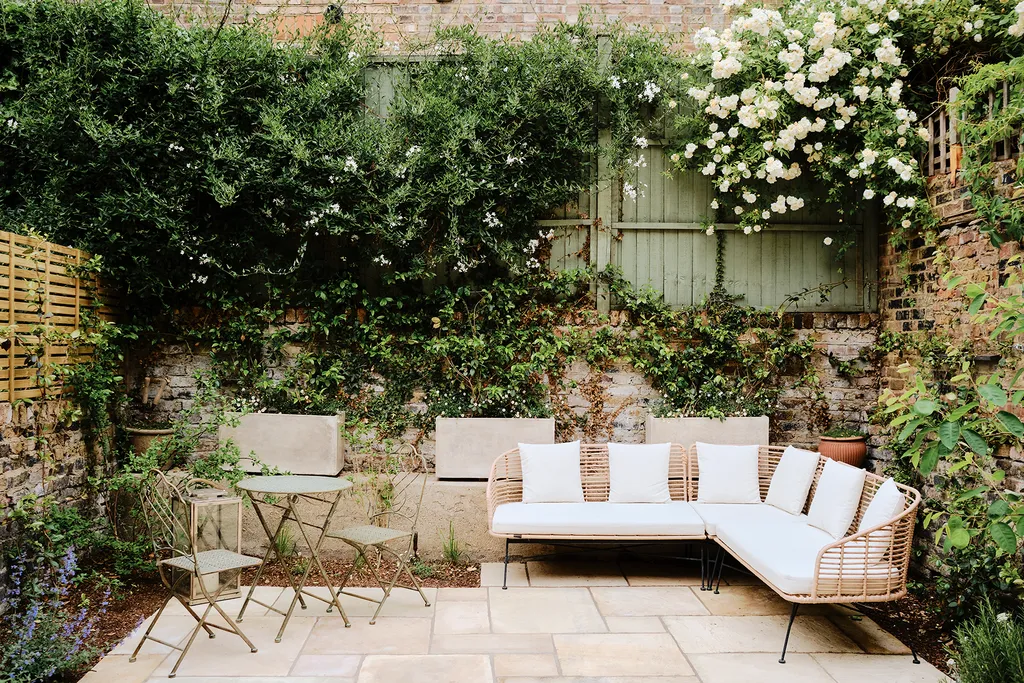
Home gardening is more than a hobby; it is a rewarding skill that brings fresh food, cleaner air, and daily peace into your life. Many beginners feel overwhelmed by where to start, which plants to choose, or how to avoid common mistakes. A reliable home gardening guide simplifies the process, helping you grow confidently even with limited space or experience. This complete guide focuses on practical solutions, proven methods, and easy steps to help you build a successful home garden.
Why Home Gardening Is Worth Starting
Home gardening offers physical, mental, and financial benefits. Growing your own plants saves money on groceries, improves food quality, and reduces stress. It also encourages healthier eating habits and supports environmental sustainability. Even small gardens on balconies or rooftops can produce impressive results when planned correctly.
Many people fail because they expect quick results. Gardening is a gradual process that rewards patience. With the right guidance, even beginners can enjoy consistent success.
Choosing the Right Location for Your Garden
Location plays a major role in gardening success. Most plants need at least six hours of sunlight daily. Observe your space to identify areas with consistent sun exposure. For indoor gardening, place plants near windows or use grow lights.
Good airflow is equally important. Poor ventilation leads to fungal diseases and weak growth. Whether indoors or outdoors, ensure your plants are not crowded and receive fresh air regularly.
Understanding Soil and Its Importance
Healthy soil is the foundation of every productive garden. Soil provides nutrients, water retention, and root support. Poor soil leads to weak plants, low yields, and frequent diseases.
Start by loosening the soil and mixing organic compost. Compost improves texture and adds essential nutrients naturally. Avoid using chemical fertilizers excessively, as they can damage soil health over time. Testing your soil once a year helps you understand nutrient needs and adjust accordingly.
Selecting Plants That Match Your Environment
One common mistake in home gardening is choosing plants that are unsuitable for local conditions. Climate, season, and available space should guide your selection. Leafy greens, herbs, and tomatoes are ideal for beginners because they grow quickly and require minimal care.
Native plants are especially valuable because they adapt well to local weather and resist pests naturally. Always check planting seasons to avoid poor germination or slow growth.
Watering Techniques That Prevent Common Problems
Improper watering is one of the main reasons plants fail. Overwatering causes root rot, while underwatering leads to dry, weak plants. The key is consistency.
Water early in the morning to reduce evaporation and disease risk. Focus on watering the soil, not the leaves. Using mulch helps retain moisture and reduces watering frequency. Drip irrigation systems are ideal for home gardens because they provide controlled hydration.
Container Gardening for Small Spaces
Limited space should not stop you from gardening. Container gardening allows you to grow vegetables, herbs, and flowers on balconies, rooftops, or windowsills. Choose containers with drainage holes to prevent water buildup.
Use lightweight soil mixes designed for containers. Avoid overcrowding plants, as roots need space to grow. Regular feeding is important because nutrients wash out faster in containers.
Organic Pest Control for Home Gardens
Pests are a natural part of gardening, but chemical pesticides are not always the best solution. Organic pest control methods protect plants without harming beneficial insects.
Neem oil, garlic spray, and soap solutions effectively control common pests. Encourage natural predators like ladybugs and birds. Healthy plants resist pests better, so proper watering and soil care reduce infestations naturally.
Seasonal Gardening Tips for Better Results
Understanding seasonal changes helps you plan planting and harvesting schedules. Cool-season crops like spinach and peas grow well in mild temperatures, while warm-season plants such as peppers and cucumbers thrive in summer.
Rotate crops each season to prevent soil depletion and disease buildup. Seasonal planning improves yield and keeps your garden productive year-round.
Composting at Home for Sustainable Gardening
Composting transforms kitchen waste into nutrient-rich fertilizer. Fruit peels, vegetable scraps, and dry leaves create excellent compost. Avoid adding meat or oily foods.
Compost improves soil structure, reduces waste, and saves money on fertilizers. Even apartment dwellers can compost using small bins or composting bags.
Common Home Gardening Mistakes to Avoid
Many beginners plant too much at once, leading to overcrowding and poor growth. Start small and expand gradually. Ignoring plant labels and sunlight needs also causes failure.
Another mistake is inconsistent care. Gardening requires regular attention, even if only a few minutes daily. Consistency matters more than effort.
Frequently Asked Questions
How often should I water my home garden?
Most gardens need watering two to three times a week, depending on weather and soil type.
What are the easiest plants for beginners?
Herbs, lettuce, tomatoes, and green onions are beginner-friendly and grow quickly.
Can I garden indoors without sunlight?
Yes, grow lights can replace sunlight for indoor plants effectively.
How do I prevent plant diseases naturally?
Proper spacing, airflow, and organic treatments help prevent most diseases.
Is gardening expensive to start?
No, gardening can begin with basic tools and seeds, making it very affordable.
Final Thoughts
Home gardening is a journey of learning, patience, and reward. With the right guidance, anyone can grow healthy plants at home regardless of space or experience. By focusing on soil health, proper watering, suitable plants, and sustainable practices, you can create a productive garden that improves your lifestyle and well-being for years to come.

Welcome to Walls and Clouds! Your go-to destination for inspiration, tips, and ideas on vertical gardening. Our mission is to make gardening accessible to everyone, no matter the size of their space. We believe that even a small wall can bring a touch of nature into everyday life.