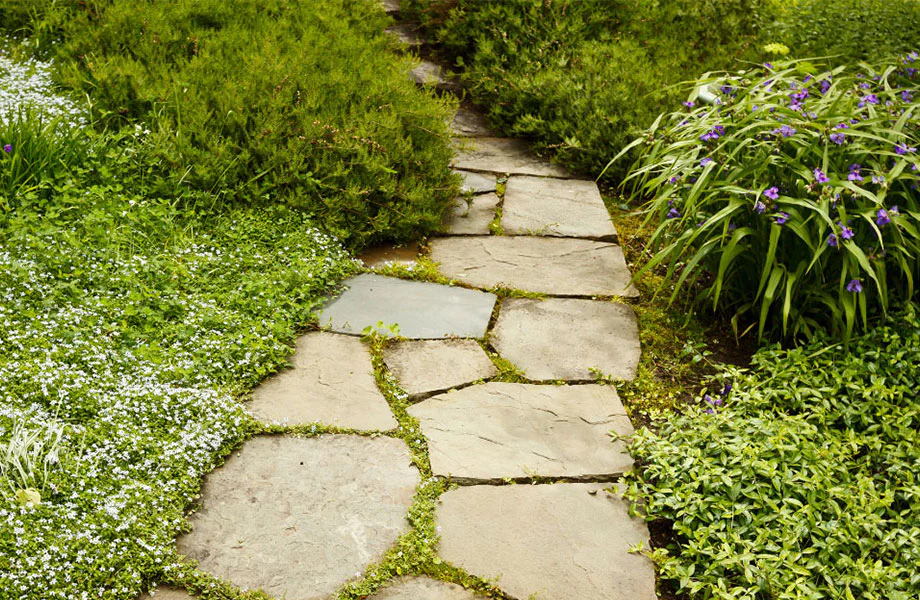
Garden paths are more than just passageways in an outdoor space; they enhance the beauty of a garden, guide visitors, and create a sense of structure and flow. Whether your backyard is small or expansive, designing a path can transform your outdoor space into a functional and enjoyable retreat. This guide provides some simple ideas and tips to help you create a garden path that suits your style and space.
The Importance of Garden Paths
A well-designed garden path adds structure and charm to a garden. It helps define garden areas, makes maintenance easier, and guides visitors to important spots such as rest areas, flowerbeds, or visual focal points. Garden paths also protect plants from being trampled, prevent soil compaction, and protect delicate flowers from damage. Furthermore, paths visually expand the garden space, creating depth and perspective.
Planning the Path Layout
First, determine the direction of your garden path. You might consider connecting the entrance, rest area, flowerbed, or water feature. Paths can be straight for a modern look or gently curved for a more natural and relaxing atmosphere. Sketch your layout on paper or mark it with garden hoses or stakes to better visualize your design. Pay attention to sunny and shady areas, as this will influence the materials and plants you choose along your path.
Choosing the Right Materials
The choice of materials depends on your garden style, budget, and maintenance preferences. Common options include:
- Gravel: Affordable, easy to install, gravel paths drain well and have a natural look.
- Stone or Flagstones: Offers a classic and durable look. Stone can be patterned for a formal design or left irregularly shaped for a natural look.
- Pavers or Paving Stones: Add a traditional or modern touch. Paving stones allow for precise layout and are ideal for straight or geometric paths.
- Mulch or Wood Chips: Perfect for informal garden paths. They feel soft underfoot and harmonize with plants, but may need regular replenishment.
Concrete or stepping stones: Durable and versatile, stepping stones or poured concrete can easily create a minimalist, modern path.
Preparing the ground
Proper preparation ensures your path is durable and functional. First, remove weeds and other debris. Dig a shallow trench along the path, usually 4-6 inches deep. If using gravel or flagstones, lay down a layer of garden fabric to prevent weeds from growing. Level the ground and, if necessary, add a layer of sand or gravel as a base layer for stability and drainage.
Edging
Edging keeps the path neat and prevents material from spilling into adjacent flowerbeds. Materials include metal, plastic, brick, or natural stone. Edging also serves as a visual barrier, making the path look more organized and refined. Low-growing plants, such as creeping thyme or lavender, can also serve as natural edging while adding fragrance and color.
Laying the Path Material
Once the ground is ready and the edging material is in place, you can lay your chosen path material. If using gravel, spread it evenly and compact it lightly. Lay stones, bricks, or paving stones according to your design, leaving space for sand or ground cover if necessary. The mulch should be filled to the desired thickness, and the stepping stones should be firmly pressed into the soil or sand. Be patient and careful to ensure even spacing, stability, and a smooth surface.
Planting Along the Path
Plants add charm and softness to garden paths. Plant low-growing perennials, ground cover, or ornamental grasses along the edges of the path. Creeping thyme, moss, or sedum can grow between the stones, creating a natural and harmonious visual effect. Flowering plants such as lavender, alyssum, or marigolds provide color and fragrance while maintaining open views and increasing safety.
Add lighting for increased safety and ambiance
Path lighting can extend the life of a path and add ambiance. Solar lamps, LED ground spotlights, or string lights can softly illuminate the path. Accentuate the curves, edges, or focal points of the path to create a warm and inviting atmosphere. Good lighting not only increases safety but also enhances the beauty of your garden after sunset.
Maintaining your garden paths
Regular maintenance keeps your paths beautiful and functional. Remove weeds regularly, add gravel or mulch as needed, and move stones or paving stones. Prune adjacent plants to prevent them from overgrowing the path. A well-maintained path is not only aesthetically pleasing but also provides
Low groundcovers, perennials, and ornamental grasses are all good choices. Creeping thyme, moss, licorice alyssum, and lavender are common options.
How do you prevent weeds from growing on garden paths? Lay a groundcover under the paving and regularly remove new weeds to keep it neat and attractive.
Can garden paths in small spaces be curved? Absolutely. Gentle curves can add visual interest, create a sense of depth, and even make a small garden appear larger.
Conclusion
Creating a garden path is an effective way to enhance your outdoor space. By planning the layout, choosing suitable materials, preparing the soil, adding plants and lighting, and maintaining the path, you can create a practical and beautiful path that suits your garden. Whether you prefer a natural gravel path, a well-maintained flagstone path, or a playful stepping stone design, these tips can help you easily transform your garden into a warm, orderly, and pleasant place to relax.

Welcome to Walls and Clouds! Your go-to destination for inspiration, tips, and ideas on vertical gardening. Our mission is to make gardening accessible to everyone, no matter the size of their space. We believe that even a small wall can bring a touch of nature into everyday life.