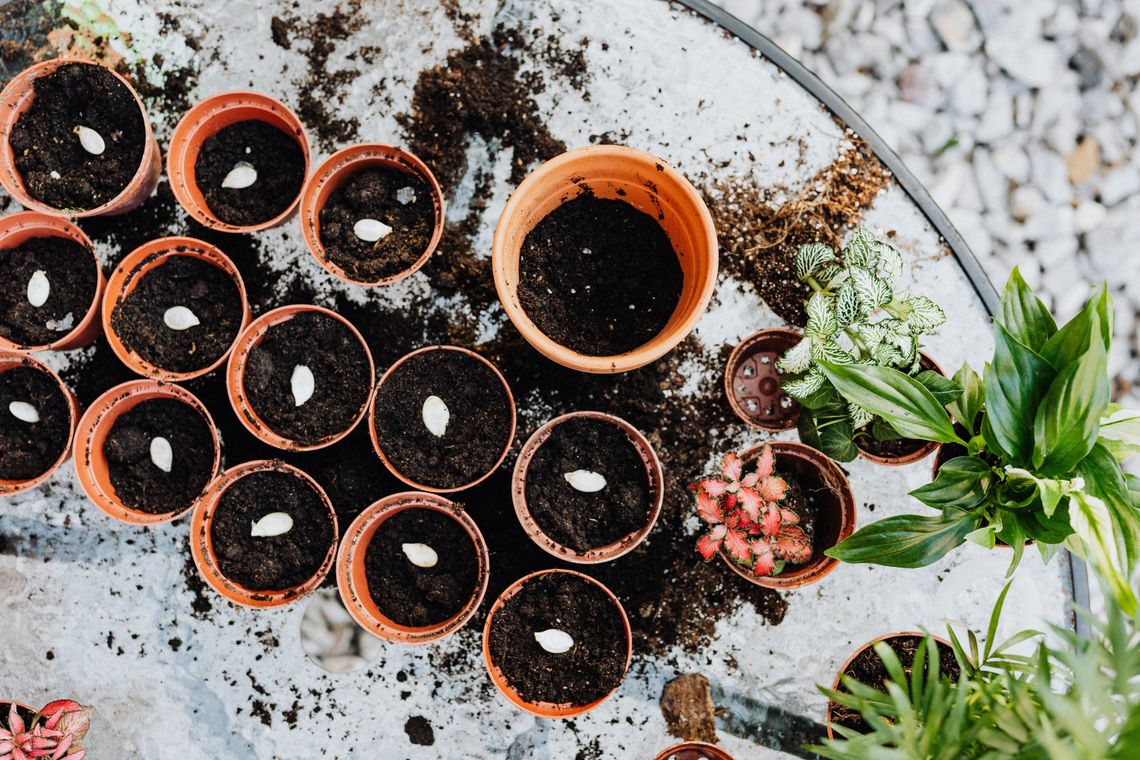
For any gardening enthusiast—beginner or veteran—seed propagation is one of the most rewarding experiences. It’s not only affordable, but it also allows you to diversify your garden and gain more control. From classic marigolds and zinnias to delicate cosmos and sunflowers, seeds open doors to endless beauty. While many people are intimidated by seed propagation, it’s actually quite simple once you master the basics. This beginner’s guide will teach you in detail how to successfully propagate seedlings, whether you’re growing them indoors, outdoors, in pots, or in a small garden.
Choosing the Right Flowers to Sow
Some flowers are naturally easier to sow than others. If you’re new to seeding, choose fast-growing and easy-to-plant varieties like marigolds, zinnias, cosmos, pot marigolds, sunflowers, nasturtiums, alyssum, and cornflowers. These flowers germinate quickly, are tolerant of minor mistakes, and thrive in both pots and gardens. Perennials can also be propagated from seed, but generally require a longer germination period and more patience. For beginners, annuals are the easiest and most rewarding choice.
Read the seed packaging carefully
The seed packaging is one of the most important tools for a gardener. It tells you everything you need to know, including germination time, optimal sowing depth, light requirements, watering instructions, and planting distance. Many beginners ignore the packaging, leading to problems such as sowing too deep or under-watering. Taking the time to understand this information will ensure your seeds have the best growing conditions.
Use suitable seedling soil
Seeds need loose, well-draining soil to germinate. Regular garden soil is too heavy and compact for small seeds. Therefore, use specially formulated seedling potting soil, which effectively promotes seed germination. The potting soil for seedlings should be well-aerated, absorb water evenly, and protect the seedlings’ delicate roots. If you’re sowing outdoors, loosen the soil with compost before sowing. Healthy soil produces strong seedlings, and strong seedlings ultimately produce healthy, beautiful flowers.
Growing Seedlings Indoors
Growing seedlings indoors gives you a head start during the growing season and increases your chances of success. Start your seedlings 4-8 weeks before the last frost date in your region. Fill small seed trays or pots with seedbed soil. Gently scatter the seeds over the soil and sow them at the depth indicated on the package. Some seeds need to germinate in the dark, while others need light and shouldn’t be buried too deeply. Lightly mist the soil and then cover the seed trays with plastic wrap or a moisture-resistant cover to retain moisture. Place the seed trays in a warm, bright location. Once the seedlings emerge, remove the cover and move them to a sunny window or under a grow light. Keep the soil moist, but not too wet. Thin the seedlings when they have two pairs of true leaves to prevent them from crowding.
Sowing Outdoors
Some flowers grow best when sown directly. Direct sowing is simple: first, loosen the soil, remove any stones or weeds, scatter the seeds, and gently cover them with soil. Water sparingly and keep the soil moist until the seeds germinate. Flowers suitable for direct sowing include sunflowers, cosmos, zinnias, poppies, and wildflowers. Timing is crucial for successful outdoor sowing—unless the seed packet indicates that the flower is winter-hardy, always wait until after the last frost before sowing.
Provide Sufficient Sunlight
Sunlight is essential for healthy seedling growth. When sowing indoors, place the seed trays near a bright, south-facing window; if there isn’t enough natural light, use grow lights. Insufficient light causes seedlings to grow tall, lanky, and weak. When sowing outdoors, choose a suitable location based on the plant’s growth needs. Most flowering plants prefer full sun, meaning they need 6-8 hours of direct sunlight daily. Shade-loving varieties, such as impatiens and begonias, require less light and thrive in partial shade.
Proper Watering
Watering is one of the most important aspects of seed growing. The goal for both seeds and seedlings is to keep the soil consistently moist, but avoid waterlogging. Use a spray bottle, mister, or a gentle spray to prevent the seeds from washing away. Overwatering can lead to fungal diseases, such as scales.
Transplant the seedlings into pots or into the garden
Once the seedlings have grown large and strong, they can be transplanted. Before transplanting them outdoors, harden them off by placing them in partial shade for a few hours a day, gradually increasing this time over a week. This prevents shock and helps them adjust to the outdoor environment. Dig a hole slightly larger than the seedling’s root system, gently place the seedling in it, and firm down the surrounding soil. Water well after transplanting to help the roots establish.
Common Mistakes
Beginner gardeners often make avoidable mistakes that slow seedling growth. Avoid overwatering, sowing too deeply, ignoring the recommended planting distance, sowing too early or too late, and insufficient light. Using poor-quality soil or contaminated pots can also lead to diseases. These problems can easily be prevented with a few simple adjustments.
Frequently Asked Questions
1. How long does it take for flower seeds to germinate?
Most flower seeds germinate within 5-21 days, depending on the variety, soil temperature, and humidity. 2. Can I use old soil to grow seedlings? It’s best not to. Used soil can contain pests, fungi, or old roots, which can reduce germination.
3. Why are my seedlings drooping?
This is usually caused by insufficient light, overwatering, or a fungal disease called damping-off. Improving ventilation and light can prevent this.
4. Can I grow flowers from seeds in pots?
Yes, many flowers grow well in pots. Choose pots with drainage holes in the bottom and use loose potting soil.
5. Do seeds keep until their expiration date?
Yes, seeds lose their germination potential over time. Most seeds can be stored for 1-3 years in a cool, dry place.
Conclusion
Growing flowers from seeds is a fun, affordable, and rewarding way to create a colorful, vibrant garden. Anyone can successfully grow flowers from seeds—even beginners—provided the soil, light, watering, and timing are right. By following these simple steps, you can harvest healthy seedlings and blooming flowers year after year, creating a vibrant garden.

Welcome to Walls and Clouds! Your go-to destination for inspiration, tips, and ideas on vertical gardening. Our mission is to make gardening accessible to everyone, no matter the size of their space. We believe that even a small wall can bring a touch of nature into everyday life.