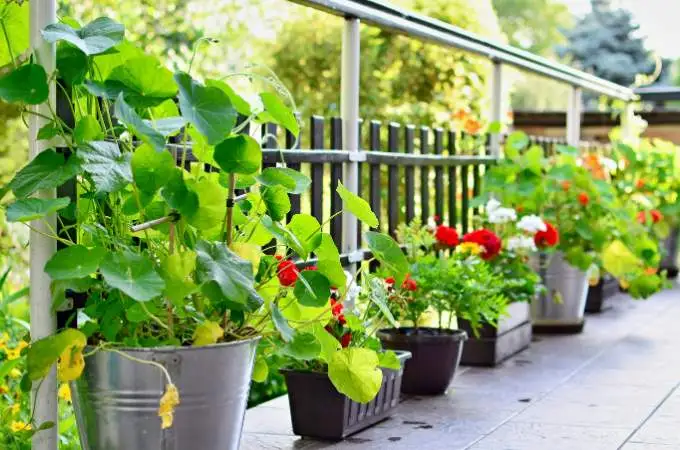
Growing flowers in small spaces can seem challenging, but with the right methods, you can thrive even in apartments, balconies, or compact homes. Whether you want fresh herbs, flowering plants, or leafy greens, optimizing your limited space will create a productive and beautiful indoor garden. This guide offers practical tips, creative inspiration, and step-by-step advice to help you grow plants easily and effectively in small spaces.
Choosing the Right Plants for a Small Space
Choosing plants that are suitable for a limited space is the first step. Compact or slow-growing plants are best suited for small spaces. Herbs like basil, mint, and parsley thrive in pots and are also suitable for the kitchen. Small flowering plants like African violets or begonias add color without taking up too much space. Succulents and cacti are perfect for sunny windowsills because they require minimal care and thrive in small pots. When planning your indoor garden, consider the height, width of the canopy, and the growth rate of your plants. Utilizing Vertical Space
Vertical gardening is an effective way to maximize space. Shelves, wall-mounted planters, and hanging baskets allow you to grow a variety of plants without taking up floor space. Wall-mounted plant stands and tiered plant racks are perfect for herbs, small flowering plants, and climbing plants. Vertical planting can also create a pleasant green wall, making small spaces feel more vibrant. When placing plants vertically, ensure each plant receives sufficient sunlight.
Choose Potted Plants
Pots and containers are essential for gardening in small spaces. Choose pot sizes that are appropriate for the plant species and root depth. Choose pots with drainage holes to prevent waterlogging and promote healthy root growth. Windowsill pots, ceramic pots, and plastic containers are all ideal for houseplants. Lightweight pots are easier to move and rearrange, giving you flexibility in adjusting lighting and plant placement.
Use Multifunctional Furniture
Furniture with integrated planters is a smart way to save space. Bookshelves with planters, coffee tables with built-in planters, and plant racks that also offer storage space allow you to grow greenery without taking up too much space. Multifunctional furniture is especially useful in apartments with limited space. Try hydroponic and indoor growing systems.
Hydroponic systems are ideal for small spaces and urban gardening. These systems don’t require soil; plants grow in water and nutrient solutions, saving space and reducing clutter. Tabletop hydroponic units are perfect for growing herbs and small vegetables indoors. Indoor growing systems with LED lighting ensure that plants receive sufficient sunlight, even in windowless spaces, so you can grow fresh fruits and vegetables year-round.
Combine plants wisely.
Grouping plants with similar light and water needs simplifies care in small spaces. Place shade-tolerant plants in low-light areas and sun-loving plants near windows. Group planting also creates a humid microenvironment, which is very beneficial for tropical plants. Use plant stands, trays, or small tables to elevate groups of plants, enhance the space, and simplify watering and care.
Maximize Light
Light is crucial for plant health, especially in small spaces where natural light can be limited. Place plants near south- or west-facing windows for ample sunlight. Rotate plants regularly to ensure even growth in all directions. If natural light is insufficient, supplement with grow lights. Compact LED grow lights are energy-efficient and provide the spectrum needed for photosynthesis, ensuring healthy plant growth, even in dimly lit apartments.
Efficient Watering and Care
Gardening in small spaces requires careful watering to prevent overwatering and flooding. Use automatic watering trays or containers to collect excess water. Check the soil moisture regularly and water each plant as needed. Prune plants regularly to prevent overcrowding and promote healthy growth. Gently wipe the leaves with a damp cloth to keep them clean, maximize photosynthesis, and maintain a tidy indoor garden.
Conclusion
With careful planning and creativity, growing plants in small spaces is absolutely feasible. By choosing suitable plants, making the most of vertical and container space, ensuring sufficient light, and efficient watering and care, you can create a vibrant indoor garden in even the smallest apartment or balcony. Gardening in small spaces not only adds beauty and freshness but also improves air quality and well-being. With the right methods, your limited space can be transformed into a lush green oasis that brings joy and vitality to your home.

Welcome to Walls and Clouds! Your go-to destination for inspiration, tips, and ideas on vertical gardening. Our mission is to make gardening accessible to everyone, no matter the size of their space. We believe that even a small wall can bring a touch of nature into everyday life.