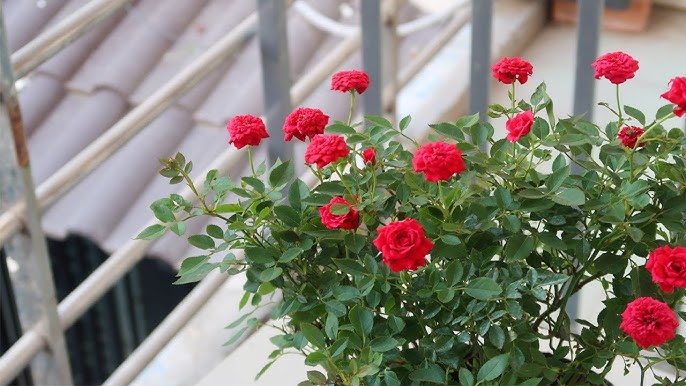
Roses are often hailed as the “Queen of Flowers,” revered for their beauty, fragrance, and timeless appeal. Many people find growing roses challenging at home, but with the right knowledge and care, anyone can enjoy vibrant, healthy roses in their own garden, balcony, or backyard. Whether you’re a beginner or someone who’s tried and failed, this guide will walk you step-by-step through successfully growing roses at home. From choosing the right variety to understanding sunlight, soil, watering, pruning, and pest and disease control, this article offers practical solutions to the real-world challenges most home gardeners face.
Choosing the Right Rose Variety for Your Home
Not all roses grow the same way. Some varieties bloom repeatedly, others need more sunlight, and still others are more tolerant of heat or cold. When growing roses at home, especially in limited space, choose varieties that are suited to your environment and experience level. For beginners, shrub roses, miniature roses, and thornless roses are good choices because they are easy to care for and more disease-resistant. If you want to grow roses in pots, choose compact varieties that don’t grow too tall. For bedding, hybrid tea roses and climbing roses provide extra height and elegance. Choosing the right variety from the start increases your chances of success and ensures healthier flowers throughout the entire flowering period.
Enjoy plenty of sunlight for your roses
Roses thrive in bright sunlight, and a lack of sunlight is one of the main reasons for failed rose growing at home. Ideally, roses need at least 6 hours of direct sunlight daily. If you live in a warm climate, make sure they get morning sun and some afternoon shade to prevent heat stress. If you’re growing roses on a balcony, place the pots in the sunniest spot. If you have limited natural light, consider sun-loving varieties like floribunda roses, which are more tolerant of partial shade. Regular sunlight strengthens the stems, promotes growth, and increases the number of flowers.
Use suitable soil and ensure good drainage
Roses do not like overly wet soil, and poor drainage is a common cause of root rot and weakened plants. Use well-draining, nutrient-rich soil. An ideal potting mix consists of garden soil, compost, and a small amount of sand or perlite for good aeration. When potting roses, choose a large pot—at least 35 to 40 cm deep—so the roots have plenty of room to grow. Make sure the pot has drainage holes in the bottom. Roses prefer slightly acidic soil, ideally with a pH between 6.0 and 6.5. Healthy soil produces healthy roses, so it’s worth choosing high-quality soil.
Proper watering promotes stable rose growth
Proper watering can be difficult with roses, as both too much and too little water can cause problems. A good rule of thumb is to water well, but not too often. Water at the base of the plant, not the leaves, to prevent fungal diseases. Water roses 2-3 times a week during warm months, depending on the climate and soil type. Potted roses may need more frequent watering because the soil dries out more quickly. Early morning is the best time to water, allowing the plant to absorb sufficient water throughout the day. Regular watering helps roses develop strong roots and produce more flowers.
Fertilizing Roses
Roses require plenty of fertilizer and should be fertilized regularly to remain healthy and vigorous. During the growing season, use a balanced fertilizer or one specifically formulated for roses every 4 to 6 weeks. Organic fertilizers, such as compost tea, banana peel water, and fish milk fertilizer, also help naturally improve the soil. If your roses have yellowing leaves or are growing slowly, this could indicate a nutrient deficiency. Well-fed roses produce larger, more vibrant, and more fragrant flowers. Avoid overfertilizing, as this can burn the roots and damage the plant.
Pruning Roses for Better Shape and More Blooms
Pruning roses improves air circulation, removes dead or weak branches, and stimulates new growth. The best time to prune is in late winter or early spring, before new buds appear. Use clean, sharp pruning shears to remove all dead, damaged, or crossing branches. For potted roses, light pruning throughout the year helps maintain good shape and prevent overcrowding. Regular pruning improves the plant’s health and ensures more frequent and abundant blooms.
Pest and Disease Control
Tip: Cover the base of the plant with a 5-8 cm layer of mulch, avoiding direct contact with the stems. Mulch also improves soil quality over time and protects the roots from extreme weather, keeping your roses healthy year-round.
Remove deadheads to promote continuous blooming
Removing deadheads means removing the flowers after they have faded. This simple step encourages the plant to produce more flowers instead of wasting energy on seed production. Use clean shears or carefully snip off the faded flowers above healthy foliage. Regularly removing deadheads keeps your rose bush fresh and promotes a longer blooming period.
Frequently Asked Questions
1. Are roses difficult to grow for beginners?
Not at all. Many varieties suitable for beginners are easy to care for as long as you follow a few basic care guidelines, such as proper light, soil type, and watering.
2. How often should I water my roses?
Water thoroughly 2-3 times a week, but adjust the amount based on the climate and soil conditions. Potted roses may need more frequent watering.
3. Can roses grow in pots or small spaces?
Yes, many compact and miniature rose varieties are perfect for potted plants, balconies, and patios.
4. Why are my rose leaves turning yellow?
Yellowing leaves can be caused by overwatering, underfertilization, or insufficient light. Improve drainage and monitor fertilizer levels.
5. When is the best time to prune roses?
Late winter or early spring is the ideal time to prune roses, preferably before new buds emerge.
Conclusion
Growing roses at home is rewarding, stimulating, and easier than most people think. With the right varieties, sufficient sunlight, fertile soil, regular watering, and daily care, anyone can have a lush rose garden—whether in a backyard flowerbed or in a small pot on a balcony. By following these practical and effective tips, you can grow healthy, beautiful and vibrant roses that bloom all year round.

Welcome to Walls and Clouds! Your go-to destination for inspiration, tips, and ideas on vertical gardening. Our mission is to make gardening accessible to everyone, no matter the size of their space. We believe that even a small wall can bring a touch of nature into everyday life.