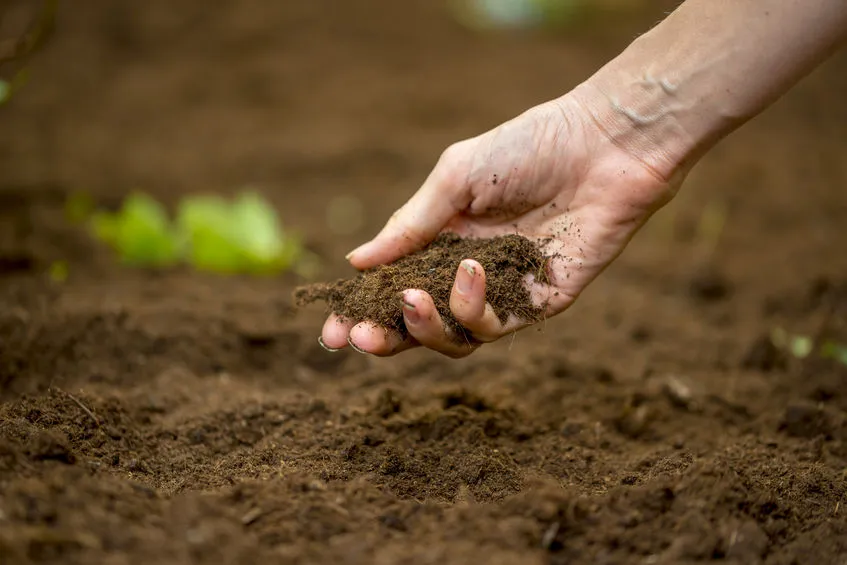
Healthy soil is the foundation for a thriving garden. Whether you’re growing flowers, vegetables, or herbs, proper soil preparation promotes strong roots, improved nutrient uptake, and vigorous plant growth. Soil preparation may seem complex for beginners, but anyone can create fertile, well-drained, and efficient soil by following the right steps. This guide will walk you through all aspects of soil preparation, including testing, improving, and caring for the soil throughout the growing season.
The Importance of Soil Preparation
Plants obtain nutrients, water, and support from the soil. Infertile or compacted soil leads to weak roots, nutrient deficiencies, and stunted growth. Soil preparation helps loosen compacted soil layers, improve drainage, and increase the soil’s nutrient content. It also promotes healthy microbial activity, which naturally supports plant growth. Properly prepared soil creates an environment conducive to root growth, even water penetration, and robust plant development.
Understanding Your Soil Type
It’s crucial to understand your soil type before preparing it. Soil is mainly classified into three types:
1. Sandy soil: Drains quickly, but can lack nutrients. Organic matter must be added to retain moisture and nutrients.
2. Clay soil: Retains water and provides good moisture retention, but can become heavy and compact. Aeration and the addition of organic amendments are necessary to improve drainage.
3. Loam: Suitable for most plants; even texture, good water retention, and excellent drainage.
A simple soil test can help determine soil texture and pH. You can use a commercially available soil test kit or take a soil sample to your local agricultural center. Most plants prefer slightly acidic to neutral soil (pH 6-7), but some plants, such as blueberries or azaleas, thrive in acidic soil.
Preparing the site
First, remove weeds, stones, branches, and dead plant debris. Weeds compete with new plants for nutrients and water, while stones and debris hinder root growth. For larger gardens, consider using a garden fork or cultivator to loosen the soil. This step also helps identify areas where the soil may be compacted or uneven, so it can be treated before planting.
Loosing and Aerating the Soil
Loosing the soil improves root penetration, water absorption, and air circulation. Use a garden fork, shovel, or cultivator to till the soil to a depth of 6-12 inches (15-30 cm). Avoid over-tilling, as this can damage the soil structure and beneficial microorganisms. For soils with a high clay content, add sand or coarse organic matter during tilling to improve soil texture and drainage. Raised planting beds or raised rows also help improve aeration in soil that is difficult to loosen.
Adding Organic Matter
Organic matter, such as compost, well-rotted manure, or leaf-humus, is essential for healthy soil. It improves soil texture, fertility, and water retention, while also providing nutrients for beneficial microorganisms. Spread a 5-10 cm layer of organic material over the soil surface and mix it thoroughly into the top 15-30 cm of soil. For potted plants, mixing compost with the potting mix creates a nutrient-rich and well-draining medium. Regularly adding organic material can maintain soil fertility long-term and reduce the need for chemical fertilizers.
Balancing Nutrients and Fertilization
After adding organic material, fertilization can be considered based on the results of the soil analysis. Balanced fertilizers (e.g., 10-10-10) provide equal amounts of nitrogen, phosphorus, and potassium, suitable for most plants. For flowering plants, a higher phosphorus content promotes flowering, while leafy vegetables benefit from nitrogen-rich fertilizers. Avoid overfertilizing; excess nutrients can be harmful to plants and soil organisms. Organic fertilizers such as bone meal, blood meal, and fish milk are safer options and can also improve soil health.
Adjusting Soil pH
Soil pH affects nutrient availability. If the soil is too acidic (pH below 6), lime should be added to raise the pH. If the soil is too alkaline (pH above 7.5), organic matter such as sulfur or pine needles can be used to lower the pH. A suitable pH allows plants to effectively absorb nutrients, promoting stronger growth and healthier leaves. Feed soil conditioners after improving the soil.
Tilling isn’t a one-time fix. Maintaining healthy soil is essential for sustainable growth. Crop rotation in the garden prevents nutrient loss, and adding compost annually and lightly compacting the soil around the beds prevents excessive compaction. Mulched crops, such as clover or peas, improve soil structure and naturally replenish nutrients. Healthy soil not only supports plant growth but also the survival of beneficial microorganisms, increasing the garden’s overall yield.
Frequently Asked Questions
1. How deep should the soil be tilled before planting?
For most plants, a minimum of 6-12 inches (15-30 cm) of soil depth is sufficient to allow the roots to spread easily. Plants with deeper root systems may require deeper tillage.
2. Can poor soil be improved without chemicals?
Yes. Adding organic matter, compost, and mulch can naturally improve soil fertility while simultaneously improving soil structure and water retention.
3. How often should the soil be amended?
Amend organic matter at least once a year, ideally before planting season. A small amount of soil improver can be added as needed during plant growth.
4. Should I test the soil pH?
The acidity (pH) of the soil significantly affects nutrient availability. By testing the soil, you can adjust the pH to meet your plants’ optimal growing needs.
5. Can I use garden soil in flowerpots?
Garden soil itself is not suitable for flowerpots because it tends to compact and impede drainage. Therefore, use a high-quality potting soil with added organic matter.
Conclusion
Proper soil preparation is essential for a fertile garden. Knowing your soil type, cleaning the site, loosening the soil, adding organic matter, balancing nutrients, and maintaining a healthy pH all create a fertile growing environment for your plants. Whether you’re planting in your garden, on your balcony, or in a flowerbed, taking the time to prepare the soil ensures stronger roots, better nutrient absorption, and more vigorous growth. Healthy soil produces healthy plants, beautiful flowers, and ultimately, a bountiful harvest that rewards your hard work year after year.

Welcome to Walls and Clouds! Your go-to destination for inspiration, tips, and ideas on vertical gardening. Our mission is to make gardening accessible to everyone, no matter the size of their space. We believe that even a small wall can bring a touch of nature into everyday life.