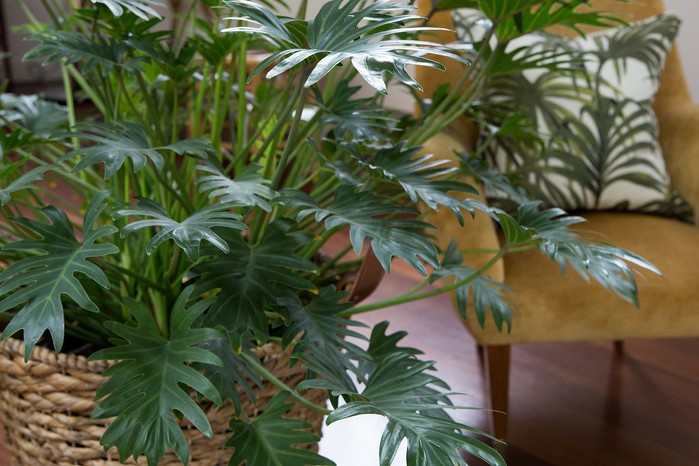
Many homes and apartments struggle with insufficient natural light, making growing houseplants quite a challenge. However, not all plants need sufficient sunlight to thrive. Shade-tolerant houseplants are an excellent solution, bringing greenery and freshness to dim corners, offices, or rooms with small windows. These plants are adaptable and vigorous, making them ideal for beginners. This guide explores the best plants for shade-tolerant indoor spaces, how to care for them, and practical tips for keeping your houseplants healthy.
Why Choose Shade-Tolerant Houseplants?
Shade-tolerant houseplants are perfect for spaces with limited sunlight. They can enhance a room’s aesthetics, improve air quality, and create a peaceful atmosphere. These plants are generally hardy and easy to care for, making them ideal for busy people or those new to gardening. By adding shade-tolerant plants to your home, you can enjoy the benefits of indoor greenery without needing a sunny room.
Sansevieria
Sansevieria is known for its hardiness and adaptability. It can survive in low-light conditions, is drought-tolerant and flood-tolerant, and is resistant to pests and diseases. Its upright, sword-shaped leaves add a modern and elegant touch to any room. Sansevierias are also natural air purifiers, removing harmful substances like formaldehyde and benzene from indoor air. Simply place it in a shady corner and water sparingly, only when the soil is dry.
Money Tree
The Money Tree (Zamioculcas zamiifolia) is perfectly suited for low-light environments. Its glossy, deep green leaves add a touch of style to offices, living rooms, or bedrooms. The Money Tree grows slowly but steadily and thrives with minimal care. Water only when the soil is completely dry. Avoid overwatering, as this plant stores water in its robust rhizomes. Its tolerance to low light makes it one of the best houseplants for beginners.
Pothos
Pothos, also known as devil’s vine, is a climbing plant that thrives even in low light. It thrives in pots, hanging baskets, or on shelves, creating a cascading green landscape. Pothos is highly adaptable and can even grow in water-filled containers. Occasional pruning promotes more vigorous growth, and this plant requires very little care, making it ideal for beginners or office environments.
Peace Plant
Peace plants (Spathiphyllum) are easy-to-care-for flowering plants that thrive in low to moderate light. They produce beautiful white flowers and improve air quality by filtering indoor toxins. Peace plants prefer slightly moist soil but can also tolerate occasional drought. Placing them in indirect light ensures continuous growth and occasional blooms, adding an elegant touch to shady corners.
Clematis
Clematis (Aspidistra elatior) is known for its strong vitality. As the name suggests, it can withstand neglect, insufficient light, and various changes in the indoor environment. The deep green, lance-shaped leaves create a lush visual effect and thrive in corners where other plants struggle. Water when the topsoil is dry and avoid overfertilizing to maintain healthy long-term growth.
Philodendron
Philodendrons are flexible climbing or trailing plants that thrive in low-light environments. They are easy to care for and grow well in pots or hanging baskets. Their heart-shaped leaves and vibrant green color brighten up indoor spaces and require virtually no care other than occasional watering and pruning. Philodendrons also help purify the air indoors and combine aesthetics with functionality.
Aglaonema
Aglaonema (scientific name: Aglaonema) is beloved for its attractive foliage and adaptability to low-light environments. It thrives in shady corners and requires virtually no maintenance. This plant can tolerate occasional neglect, making it ideal for beginners. Regular watering, indirect light, and occasional application of a balanced fertilizer will ensure vibrant foliage and healthy growth. Tips for Caring for Shade-
Tolerant Houseplants
Even shade-tolerant plants need proper care to thrive. Avoid overwatering, as many shade-tolerant plants are prone to worrisome diseases.
Dry soil. Overwatering is a common cause of poor plant growth in low-light environments.
FAQs
Do shade-loving plants need fertilizer?
Use a small amount of a balanced, water-soluble fertilizer during the growing season. Too much fertilizer can harm slow-growing shade-loving plants.
Can shade-loving plants improve indoor air quality?
Yes, many shade-loving plants, such as sansevieria and peace lily, can remove toxins and help naturally purify indoor air.
Conclusion
Shade-loving houseplants are both practical and aesthetically pleasing for low-light homes and offices. Choosing hardy plants, such as sansevieria, money trees, pothos, peace lilies, clematis, philodendrons, and evergreens, guarantees success, even for beginners. Proper care, including controlled watering, occasional fertilization, and regular checkups, can help these plants thrive, even in shady locations. By planting shade-loving plants, you can enjoy the benefits of houseplants: improved air quality, enhancing your interior, and creating a calm atmosphere, regardless of the lighting conditions in your home.

Welcome to Walls and Clouds! Your go-to destination for inspiration, tips, and ideas on vertical gardening. Our mission is to make gardening accessible to everyone, no matter the size of their space. We believe that even a small wall can bring a touch of nature into everyday life.