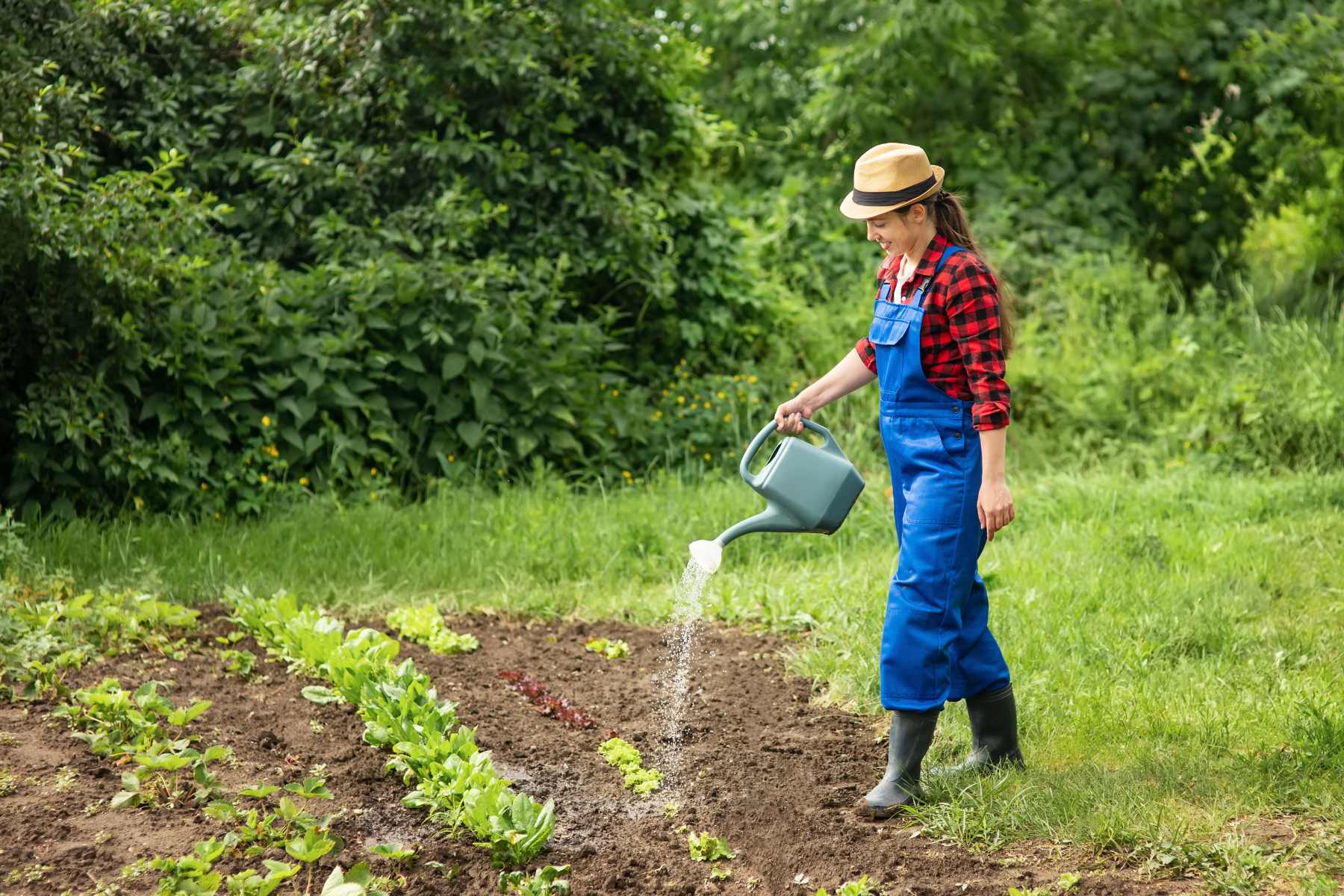
Organic gardening is more than a trend; it’s a way to grow healthy, chemical-free plants while nurturing the environment. Whether you want to cultivate vegetables, herbs, or flowers, organic gardening emphasizes natural methods to improve soil fertility, prevent pests, and encourage sustainable growth. For beginners, the idea of starting an organic garden can seem daunting, but with the right approach, tools, and techniques, anyone can create a thriving garden. This guide breaks down the essentials of organic gardening and provides practical tips to make your gardening journey easy and enjoyable.
Why Choose Organic Gardening
Organic gardening is beneficial for both personal health and the environment. By avoiding synthetic fertilizers and pesticides, you reduce chemical exposure in your food and protect beneficial insects, birds, and soil microbes. Organic gardens also encourage biodiversity, improve soil structure, and conserve water. Plants grown organically often develop stronger flavors, higher nutritional value, and a greater resistance to pests and diseases. For many gardeners, the satisfaction of producing food and flowers naturally, while contributing to a healthier planet, is a major motivation.
Planning Your Organic Garden
Before planting, consider the space, sunlight, and types of plants you want. Choose a garden location with adequate sunlight, typically six to eight hours a day, and good drainage. Decide whether you want a traditional in-ground garden, raised beds, or container gardening, depending on your space and soil quality. Planning also involves selecting plant varieties suited to your climate and season. Companion planting, where certain plants are grown together to repel pests or enrich the soil, is a natural technique often used in organic gardens.
Preparing Soil Organically
Healthy soil is the foundation of organic gardening. Start by testing your soil to determine pH and nutrient levels. Loamy soil with good drainage is ideal, but sandy or clay soils can be improved with organic matter such as compost, leaf mold, or well-rotted manure. Turning and loosening soil allows roots to grow easily and promotes beneficial microbial activity. Avoid chemical fertilizers; instead, enrich your soil naturally with compost, green manures, and organic amendments. Mulching with straw, wood chips, or shredded leaves retains moisture, suppresses weeds, and gradually adds nutrients as it decomposes.
Choosing Organic Fertilizers and Nutrients
Plants need nutrients to thrive, but organic gardening relies on natural sources rather than synthetic chemicals. Compost provides a balanced mix of nutrients and improves soil structure. Other organic fertilizers include fish emulsion, bone meal, blood meal, and seaweed extracts, which supply essential nitrogen, phosphorus, and potassium. Regular application of these organic nutrients ensures healthy plant growth while supporting soil life. Crop rotation and intercropping also help maintain nutrient balance naturally over time.
Natural Pest and Disease Management
Pests and diseases are a challenge in any garden, but organic gardening focuses on prevention and natural control methods. Encouraging beneficial insects like ladybugs and lacewings helps reduce pest populations. Neem oil, insecticidal soap, and garlic or chili sprays are safe alternatives to chemical pesticides. Crop rotation, proper spacing, and pruning improve air circulation and prevent fungal infections. Monitoring plants regularly allows early detection of problems, which is easier to manage with organic methods than with chemical interventions.
Watering and Irrigation Practices
Watering is a critical component of organic gardening. Overwatering can lead to root rot, while underwatering stresses plants. Drip irrigation or soaker hoses deliver water directly to the root zone, conserving water and reducing leaf wetness, which can prevent fungal diseases. Mulching helps retain soil moisture and reduce evaporation. Morning watering is preferred to allow leaves to dry during the day, minimizing the risk of disease. Observing your plants and soil regularly helps adjust watering schedules according to weather and plant needs.
Supporting Sustainable Growth
Organic gardening emphasizes long-term sustainability. Composting kitchen scraps and garden waste reduces landfill contributions and provides a continuous supply of nutrient-rich soil amendments. Cover crops, such as clover or legumes, enrich the soil with nitrogen and improve its structure. Avoiding synthetic inputs, practicing crop rotation, and encouraging biodiversity make the garden more resilient and productive. By following sustainable practices, gardeners contribute to a healthier environment while ensuring ongoing garden success.
Tips for Beginner Organic Gardeners
Start small to avoid becoming overwhelmed. Focus on a few easy-to-grow vegetables, herbs, or flowers suited to your region. Keep records of planting dates, growth progress, and successes or failures to improve each season. Observe your garden regularly to understand your plants’ needs and respond naturally to changes. Engage with local gardening communities for tips and plant exchanges. Over time, your confidence and knowledge will grow alongside your garden.
FAQs
How do I start an organic garden with little space? Even a small balcony or patio can host container gardens. Use pots, raised beds, or vertical planters and grow herbs, salad greens, or compact vegetables.
Can I convert a conventional garden into an organic one? Yes. Stop using chemical fertilizers and pesticides, enrich the soil with organic compost, and practice crop rotation and natural pest control methods.
How often should I add compost to my garden? Apply compost at least once per growing season. For continuous nutrient supply, side-dress plants with compost during the growing season.
What are easy plants for beginners in organic gardening? Herbs like basil, parsley, and mint, leafy greens like lettuce and spinach, and hardy vegetables like tomatoes and radishes are excellent starter plants.
How do I prevent pests without chemicals? Encourage beneficial insects, use neem oil or insecticidal soap, practice companion planting, and maintain healthy soil to reduce pest pressure naturally.
Conclusion
Organic gardening is an accessible and rewarding way to grow plants while protecting your health and the environment. By planning carefully, preparing soil with organic amendments, using natural fertilizers, and managing pests sustainably, even beginners can create a thriving garden. Regular observation, patience, and sustainable practices ensure long-term success. Whether you grow flowers, vegetables, or herbs, following organic principles produces healthier plants, richer soil, and a garden that flourishes naturally season after season.

Welcome to Walls and Clouds! Your go-to destination for inspiration, tips, and ideas on vertical gardening. Our mission is to make gardening accessible to everyone, no matter the size of their space. We believe that even a small wall can bring a touch of nature into everyday life.