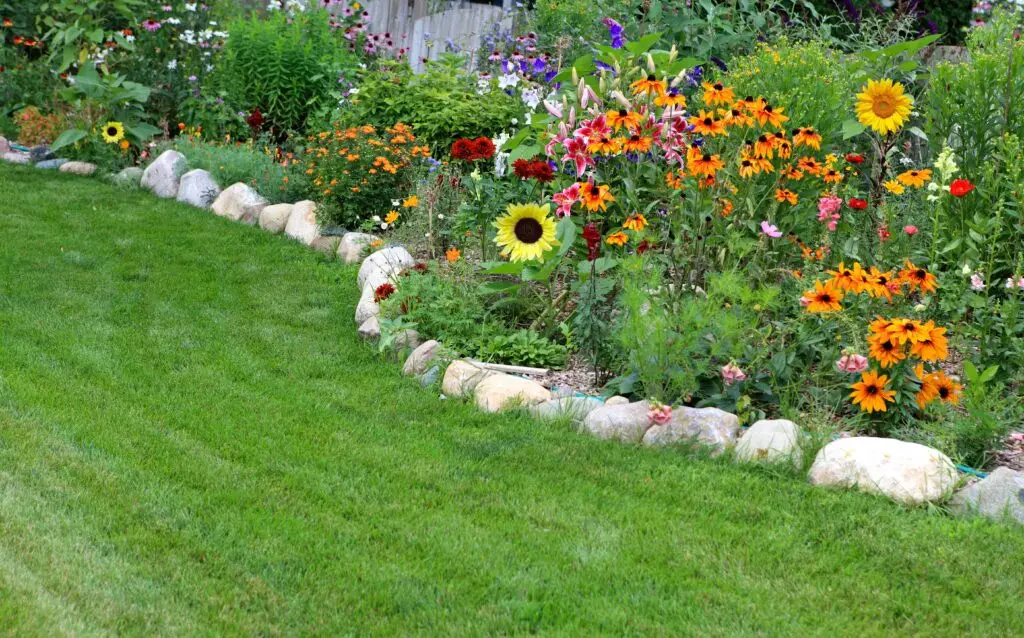
A vibrant flower bed can instantly elevate the look of any garden, turning an ordinary yard into a welcoming, colorful space. For many, creating a flower bed seems intimidating, but it doesn’t have to be complicated or expensive. With a little planning, the right plants, and simple design strategies, anyone can craft a flower bed that brings beauty, texture, and charm to their outdoor space. This guide explores practical and easy-to-implement flower bed ideas suitable for beginners and seasoned gardeners alike.
Why Flower Beds Make a Difference
Flower beds add more than just color to a garden. They provide structure and focal points, defining areas within a yard and highlighting features such as pathways, patios, or garden ornaments. Well-designed flower beds attract pollinators like bees and butterflies, supporting the local ecosystem and enhancing plant health. Moreover, a flower bed can reflect your personal style, whether you prefer vibrant, eclectic blooms or a serene, monochromatic palette.
Selecting the Right Location
The foundation of a successful flower bed is its location. Most flowering plants thrive in areas that receive at least six hours of sunlight per day. Observe your garden throughout the day to identify sunny, partially shaded, and shady spots. Consider factors such as soil quality, drainage, and proximity to water sources. Avoid low-lying areas prone to flooding or patches with compacted soil that may hinder root growth. Choosing the right spot ensures plants thrive with minimal intervention.
Choosing Easy-to-Grow Flowers
For beginner-friendly flower beds, select plants that are hardy, low-maintenance, and resilient to changing weather conditions. Annuals such as marigolds, zinnias, and petunias provide vibrant seasonal color and are simple to care for. Perennials like coneflowers, daylilies, hostas, and black-eyed Susans return year after year, reducing the need for frequent replanting. Combining annuals and perennials creates a dynamic flower bed that evolves throughout the seasons while maintaining continuous blooms.
Simple Flower Bed Layout Ideas
Creating a visually appealing flower bed doesn’t require advanced design skills. One simple approach is to arrange plants by height, placing taller flowers at the back and shorter varieties in the front to ensure all blooms are visible. Curved flower bed shapes soften the garden’s appearance, while straight-edged beds offer a modern, organized look. Grouping flowers with similar colors or complementary textures creates harmony and makes maintenance easier. Proper spacing is crucial—crowded plants can stunt growth and increase susceptibility to disease.
Incorporating Mulch for Beauty and Health
Mulch is an essential component of low-maintenance flower beds. Organic mulch, such as bark chips, straw, or compost, conserves soil moisture, suppresses weeds, and regulates soil temperature. Apply a 2–3 inch layer around plants, keeping mulch slightly away from stems to prevent rot. Beyond its practical benefits, mulch gives flower beds a polished, uniform appearance and reduces the frequency of watering and weeding, making garden maintenance simpler.
Adding Focal Points
Even a simple flower bed can be enhanced with focal points. Consider small garden statues, decorative rocks, or birdbaths to create interest and draw the eye. Vertical elements like trellises with climbing roses or clematis can add height and dimension. Strategically placed focal points not only enhance the visual appeal but also give your flower bed a sense of intentional design.
Mixing Textures and Colors
Incorporating a variety of textures and colors makes a flower bed visually dynamic. Pair leafy plants with delicate flowers or mix broad-leaf perennials with fine-textured grasses. Choose colors that complement each other or alternate contrasting shades for a bold effect. Remember to consider seasonal bloom times—select plants that provide interest across spring, summer, and fall for year-round beauty.
Edging and Borders
Edging flower beds with stones, bricks, or low fences gives them a defined, tidy look. Borders prevent grass and weeds from encroaching, making maintenance easier. Low-growing border plants, such as lavender or creeping thyme, add charm while helping contain the flower bed. Well-defined edges create a sense of order and make the garden look professionally designed, even with a simple layout.
Maintenance Tips for Simple Flower Beds
Regular maintenance ensures your flower bed remains healthy and attractive. Deadheading spent blooms encourages new growth and prolongs flowering periods. Prune overgrown plants to maintain shape and airflow, reducing the risk of fungal diseases. Water appropriately based on plant type and weather conditions, and check for pests or signs of disease. Using low-maintenance plants and organic mulch can significantly reduce daily upkeep, making flower beds manageable even for busy gardeners.
FAQs
Which flowers are easiest for beginners? Marigolds, zinnias, petunias, coneflowers, daylilies, and hostas are all hardy, low-maintenance options ideal for simple flower beds.
How do I prevent weeds in my flower bed? Applying mulch, maintaining proper spacing, and regularly pulling weeds helps prevent them from taking over your flower bed.
Can I mix annuals and perennials? Yes, combining annuals and perennials creates continuous blooms while adding seasonal variety and texture to your garden.
How often should I water my flower bed? Watering frequency depends on plant type and weather. Check soil moisture regularly and water when the top inch feels dry. Mulch helps reduce water loss.
What is the best way to add height to a flower bed? Incorporate taller plants at the back, climbing plants on trellises, or vertical garden structures to add dimension and interest.
Conclusion
Creating a beautiful flower bed doesn’t require a large budget or professional experience. By selecting hardy plants, planning your layout, using mulch, and adding simple focal points, you can design a garden feature that enhances your outdoor space with minimal effort. Flower beds not only bring vibrant color and texture to your yard but also attract pollinators, improve your garden’s ecosystem, and create a relaxing, visually appealing environment. With these simple flower bed ideas, anyone can transform their garden into a welcoming, thriving oasis.

Welcome to Walls and Clouds! Your go-to destination for inspiration, tips, and ideas on vertical gardening. Our mission is to make gardening accessible to everyone, no matter the size of their space. We believe that even a small wall can bring a touch of nature into everyday life.