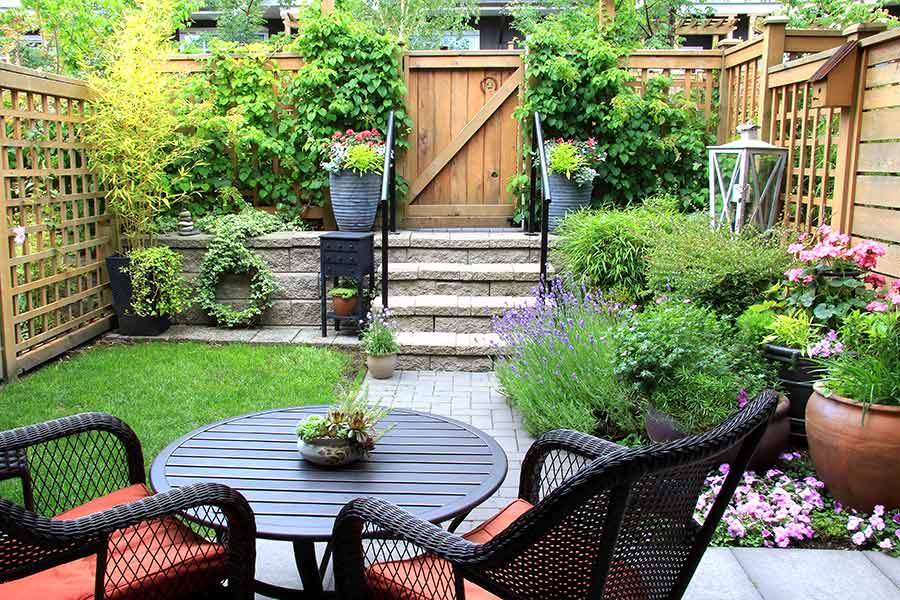
Designing a small garden can be challenging, but with the right strategy, even a compact outdoor space can be transformed into a lush and refreshing oasis. A well-planned small garden makes the most of every inch of space, creating an open, stylish, and functional atmosphere. Whether you have a small backyard, balcony, or patio, the following tips can help you transform limited space into a beautiful and functional garden.
Plan the Layout Carefully
Assess your garden space and plan its layout before you start planting. Consider paths, resting areas, and visual focal points. Even small gardens can benefit from visual structure: winding paths or raised beds can make a space appear larger. Draw a simple floor plan with sunny and shady areas to help you choose suitable plants for each location. Careful planning ensures that your garden is both functional and beautiful.
Choose Space-Saving Plants
Choose plants that are suitable for compact spaces. Vertical plants, such as climbing roses, clematis, or vines, add height without taking up ground space. Dwarf shrubs and trees also provide greenery without feeling overcrowded. Using potted plants, hanging baskets, and wall-mounted planters maximizes planting space and keeps paths clear. Choosing the right size plants is essential for maintaining balance in a small garden.
Creating a Vertical Garden
Vertical gardens are ideal for small gardens. Use pergolas, trellis, or wall-mounted planters to grow flowers, herbs, and even vegetables upward. Vertical landscaping not only saves space but also adds visual interest and creates a sense of depth. Plant walls or hanging planters can transform otherwise dull walls or fences into vibrant green spaces, enhancing the overall aesthetic of the garden.
Using Multifunctional Elements
Multifunctional furniture and structures are perfect for small gardens. Benches with storage, planters with chairs, and folding tables are both space-saving and practical. Adding decorative elements that also provide storage or display space helps keep the garden tidy. Multifunctional elements contribute to an organized, welcoming atmosphere.
Creating spatial illusions
Visual tricks can make a small garden appear larger. Light-colored walls, reflective surfaces, and cleverly placed mirrors can all create a sense of depth. Planting plants of varying heights in a cascading pattern can draw the eye upward and visually expand vertical space. Narrow paths or raised flowerbeds can also enhance the feeling of openness while maintaining clear boundaries within the garden.
Emphasize key elements
In a small garden, less is more. Highlight a few visual focal points, such as a small fountain, a birdbath, or striking plants. Too many elements can make the space feel cramped and cluttered. Choosing one or two prominent elements draws attention and creates harmony, making your garden look both coordinated and stylish.
Create a recreation room
Even in a compact space, a small recreation room can enhance its functionality. A chair with a side table or a bench in a corner allows you to comfortably enjoy your garden. Seating can also become a visual focal point, encouraging people to spend more time outdoors. Choose folding or lightweight furniture that is easy to move, allowing you to adapt to seasonal changes or gatherings.
Choose Low-Maintenance Plants
Choosing low-maintenance plants makes a small garden easier to maintain. Succulents, perennials, and hardy shrubs require less frequent watering, pruning, and maintenance. Native plants that adapt to the local climate can further reduce maintenance and support local wildlife. By choosing plants that thrive with minimal care, your garden will remain beautiful without looking cluttered.
Creating Paths and Borders
Even narrow paths can guide people’s movements and define the layout of a small garden. Gravel, stepping stones, or planks can be used to define paths. Whether it’s low hedges, decorative stones, or the edges of flower pots, they can clearly define planting areas and paths. Clearly defined paths and borders help with garden planning, making it feel more spacious and easier to navigate.
Lighting for small gardens
Smart lighting can enhance the ambiance of a small garden and increase its usability in the evening. Solar lamps, string lights
Plant varieties, foliage colors, and textures. Evergreens provide structure in winter, while perennials and annuals provide vibrant blooms in spring and summer. By using seasonal plantings, your garden will remain beautiful year-round, even in a limited space.
Frequently Asked Questions
Can I grow vegetables in a small garden?
Yes, potted plants and vertical plantings are ideal for growing vegetables in compact spaces. Herbs, leafy greens, and cherry tomatoes are particularly suitable.
How can I make a small garden appear larger?
Use vertical elements, reflective surfaces, light colors, and layered plants to create a sense of space. Keeping paths open and limiting visual focal points also helps.
Which plants are best suited to small gardens and are easy to care for?
succulents, perennials, native plants, low shrubs, and hardy climbers are all excellent choices for easy-care small gardens.
How can I create privacy in a small garden?
Use trellises with climbing plants, tall shrubs, or bamboo screens to create privacy without making the space feel cramped.
Can a small garden attract wildlife?
The answer is yes. Planting flowers that attract pollinators, adding feeders, and providing water can attract birds, bees, and butterflies, even in a compact garden.
Conclusion
Designing a small garden requires creativity, planning, and smart use of space. By focusing on vertical planting, choosing space-saving plants, incorporating multifunctional elements, and applying visual techniques, even the smallest garden can become a beautiful and functional sanctuary. Careful planning, combined with low-maintenance plants and visual focal points, can ensure that your small garden remains charming, neat, and easy to maintain year-round. With these small garden design tips, limited outdoor spaces can be transformed into lush, refreshing oases that enhance the aesthetics of your home and your quality of life.

Welcome to Walls and Clouds! Your go-to destination for inspiration, tips, and ideas on vertical gardening. Our mission is to make gardening accessible to everyone, no matter the size of their space. We believe that even a small wall can bring a touch of nature into everyday life.