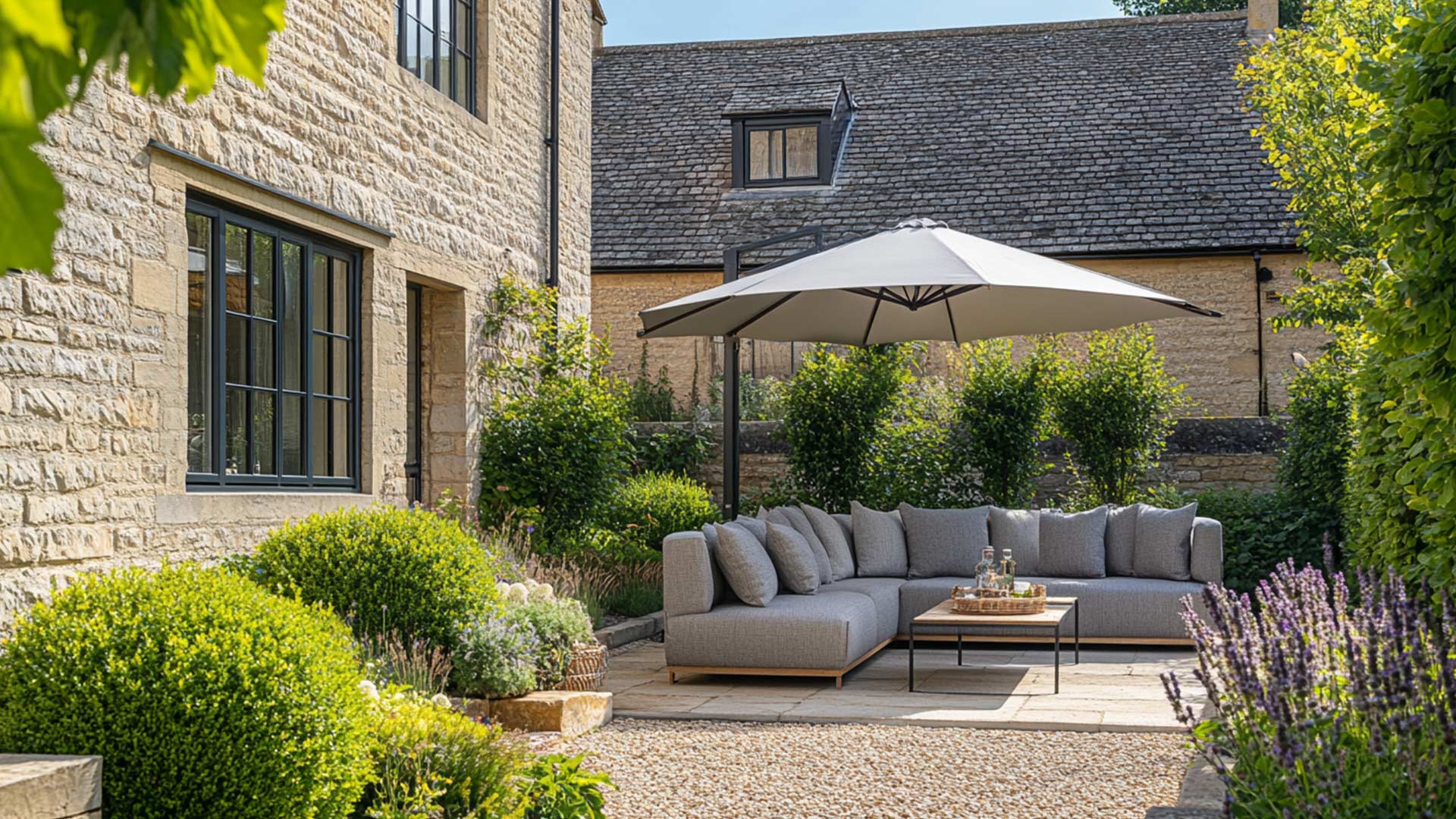
Creating a beautiful garden is more than placing a few plants in the ground. A well-designed garden improves daily life, adds value to your home, and provides a peaceful space to relax. Many people struggle with poor layouts, high maintenance, or plants that fail to thrive. This guide shares practical garden design ideas that solve real problems while helping you build an attractive, functional outdoor space that lasts.
Understand Your Space Before You Design
Every successful garden starts with careful observation. Measure your available area and note how sunlight moves throughout the day. Some plants need full sun, while others prefer shade. Check soil type, drainage, and wind exposure. These factors influence plant health and long-term maintenance. Designing without understanding your space often leads to wasted money and disappointing results.
Think about how you want to use your garden. Do you need a play area for children, a seating space, or room for vegetables? Clear goals help prevent overcrowding and ensure every section serves a purpose.
Choose a Layout That Matches Your Lifestyle
A good layout connects beauty with usability. Straight paths and symmetrical designs suit modern homes, while curved lines feel more natural and relaxed. If your garden is small, keep pathways narrow and avoid too many features. Large gardens benefit from divided zones, such as dining, planting, and relaxation areas.
Raised beds are excellent for beginners because they improve drainage and reduce back strain. Vertical gardening is ideal for small spaces, allowing you to grow plants upward instead of outward. These layout choices make gardens easier to manage while maximizing available space.
Select Plants That Thrive in Your Climate
Many garden problems come from choosing plants that are not suited to local conditions. Native and climate-adapted plants need less water, fertilizer, and care. They also resist pests better, saving time and effort.
Mix evergreen plants with seasonal flowers to maintain year-round interest. Group plants with similar water and sunlight needs together. This simple strategy reduces maintenance and keeps your garden looking healthy. Avoid overcrowding, as plants need space to grow properly.
Focus on Soil Health for Long-Term Success
Healthy soil is the foundation of every successful garden. Test your soil to understand its nutrient levels and structure. Adding compost improves fertility and helps soil retain moisture. Mulching protects roots, reduces weeds, and keeps temperatures stable.
Poor soil leads to weak plants and constant problems. Investing time in soil preparation saves effort later. Even decorative gardens benefit from rich soil, as strong plants produce better color and structure.
Add Hardscape Elements for Structure and Balance
Hardscape features like pathways, patios, and borders give your garden shape and stability. They create visual balance and make spaces easier to use. Choose materials that match your home’s style, such as stone, wood, or concrete.
Lighting is another important element. Solar lights along paths improve safety and highlight key features at night. Simple benches, pergolas, or trellises add function without overwhelming the space. These elements turn a garden into an outdoor living area.
Design for Easy Maintenance
Low-maintenance gardens are ideal for busy homeowners. Choose slow-growing plants and ground covers that reduce weeding. Drip irrigation systems save water and ensure plants receive consistent moisture. Avoid overly complex designs that require constant pruning.
Regular maintenance becomes manageable when the design supports it. Simple layouts, durable materials, and smart plant choices reduce long-term costs and effort. A garden should bring joy, not stress.
Create Visual Interest with Layers and Color
Layering plants adds depth and makes gardens feel fuller. Place taller plants at the back, medium ones in the middle, and shorter plants at the front. This technique improves visibility and airflow.
Use color carefully to create harmony. Too many bright colors can feel chaotic. Stick to a balanced palette and repeat colors throughout the garden for unity. Texture is equally important, mixing smooth leaves with rough or feathery ones for contrast.
Sustainable Garden Design for the Future
Sustainability is no longer optional. Collect rainwater, compost organic waste, and choose drought-tolerant plants. These practices reduce environmental impact and lower expenses. Wildlife-friendly gardens that include flowers for pollinators support local ecosystems.
Sustainable gardens are healthier and more resilient. They require fewer chemicals and adapt better to changing weather conditions. Designing with sustainability in mind protects both your investment and the environment.
Frequently Asked Questions
How do I design a garden on a small budget?
Start with soil improvement and simple layouts. Use seeds instead of mature plants, recycle materials, and focus on essential features first.
What is the easiest garden style for beginners?
Low-maintenance designs with native plants are ideal. They require less care and adapt well to local conditions.
How can I make my garden look bigger?
Use vertical gardening, light colors, mirrors, and curved pathways to create the illusion of space.
How often should I update my garden design?
Minor updates each season are enough. Major redesigns are usually needed every five to ten years.
Is professional garden design necessary?
Not always. With proper planning and research, many homeowners create successful gardens on their own.
Final Thoughts
A thoughtfully designed garden blends beauty, function, and sustainability. By understanding your space, choosing the right plants, and planning for easy maintenance, you can avoid common mistakes and enjoy lasting results. Smart garden design is not about trends, but about creating an outdoor space that supports your lifestyle and grows better with time.

Welcome to Walls and Clouds! Your go-to destination for inspiration, tips, and ideas on vertical gardening. Our mission is to make gardening accessible to everyone, no matter the size of their space. We believe that even a small wall can bring a touch of nature into everyday life.