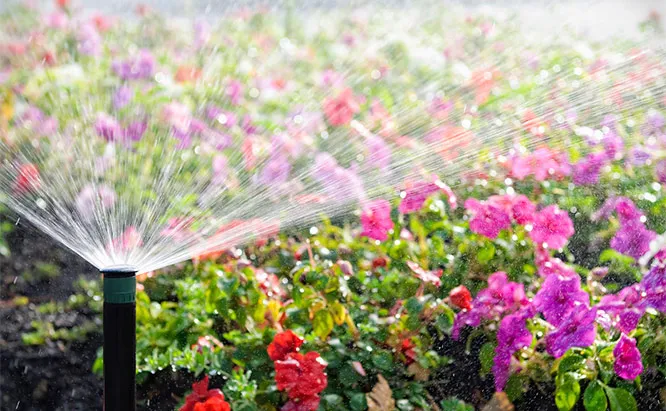
Watering flowers may seem like the simplest part of gardening, but it’s actually one of the easiest mistakes beginners make. Overwatering leads to root rot, while underwatering weakens the plant. Whether you’re growing flowers in pots, on a balcony, indoors, or in the garden, mastering the correct watering method can significantly improve your plant’s health, growth, and flowering. Good watering habits not only keep flowers vibrant but also prevent common plant problems like fungal infections, yellowing leaves, wilting, and root rot. This comprehensive guide will teach you everything you need to know about proper watering, even if you’re a gardening beginner.
Understanding Your Flower’s Water Needs
Different flowers have different watering needs. Some, such as petunias, geraniums, and marigolds, prefer consistently moist soil. Others, such as lavender, zinnias, and succulents, prefer drier conditions. Before watering, determine whether your plant is drought-tolerant or moisture-loving. When purchasing new flowers, check the plant tag, seed packet, or care instructions. Adjusting your watering routine to your plant’s natural needs will ensure healthy growth and prevent overwatering.
Using the Right Watering Method
The way you water is just as important as the amount. Water garden plants directly into the soil, not on the leaves. Wet leaves are susceptible to fungal diseases like powdery mildew, especially in humid climates. Use a watering can with a narrow nozzle or a gentle spray to regulate the water flow. Water potted plants slowly, allowing the soil to absorb the water evenly, rather than letting it run directly from the drainage holes. Deep watering—so the water reaches the roots—is always better than shallow watering.
Choosing the Right Time to Water
The best time to water flowering plants is early in the morning. Watering in the early morning helps plants retain moisture throughout the day and allows the leaves to dry overnight, reducing the risk of fungal diseases. Avoid watering in the midday sun, as most water evaporates before reaching the roots. Nighttime watering is also not ideal, as the cool, moist environment can breed pests and cause root rot. If morning watering isn’t possible, evening is the best option.
Check Soil Moisture Before Watering
Watering on a fixed schedule is a common mistake. The correct approach is to check the soil moisture before watering your plants. Insert your finger about 2 inches (5 cm) into the soil. If the soil feels dry, it’s time to water. If the soil feels moist, wait another day or two. For houseplants, you can also use a soil moisture meter for a more accurate assessment of soil moisture. Checking soil moisture prevents overwatering, a major cause of root rot in plants.
Use well-draining soil for healthy plant growth
No matter how carefully you water, plants won’t thrive if the soil doesn’t drain well. Heavy, sticky soil retains too much moisture, suffocating the roots. Plants prefer loose, well-draining soil that allows water to flow through and retains nutrients. Mix potting soil with compost and perlite for potted plants. Improve drainage in flowerbeds by adding organic matter, sand, or peat moss. Good drainage ensures healthier roots and fewer water problems.
Choose the right pot and ensure good drainage.
For potted plants, the choice of pot is crucial for effective watering. Always choose pots with drainage holes – this prevents waterlogging and root rot. Terracotta pots are a good choice because they are breathable and allow the soil to dry naturally. Plastic pots retain moisture longer, which is especially important in warm climates. If your pot doesn’t have drainage holes, you can place a layer of pebbles in the bottom for drainage or transplant the plant to a suitable pot.
Avoid overwatering: the most common mistake.
Overwatering is more common than underwatering, especially with houseplants or potted plants. Signs of overwatering include yellowing leaves, soft stems, mold growth, and an unpleasant odor from the soil. To prevent this, always check the soil moisture first. Water only when the soil is slightly dry, especially with drought-tolerant plants. Remember that it’s much easier to repot a plant that’s dehydrated than one with rotten roots.
Mulching is one of the simplest ways to improve soil moisture.
Water regularly. In winter, most flowers grow slowly and need less water, especially houseplants. Overwatering is a common mistake in winter and can lead to fungal infections. Adjust your watering frequency based on the weather, temperature, and humidity.
Collect and reuse rainwater whenever possible.
Rainwater is softer than tap water and contains fewer chemicals, making it ideal for watering plants. If possible, collect rainwater in buckets or jugs to water outdoor plants. Many flowers absorb rainwater better, grow healthier, and have more vibrant blooms.
Automatic watering solutions for busy gardeners.
If you travel frequently or forget to water regularly, automatic watering solutions can help. Automatic watering pots have built-in water reservoirs, allowing plants to draw water as needed. Drip irrigation systems provide a slow and steady flow of water to the garden. You can also create a simple watering system by placing a bottle filled with water upside down in the soil.
Check plants for signs of dehydration or overwatering.
Healthy plants clearly indicate when they need care. Dehydrated plants wilt slightly, the soil becomes dry, and they look dull. Overwatering can lead to yellowing, rotting leaves, or mold growth on the soil surface. By observing your plants daily, you can identify problems early and water them more accurately.
Frequently Asked Questions
1. How often should I water my flowering plants?
There is no set watering schedule. Water only when the top 1-2 inches (2.5-5 cm) of the soil feels dry. Different flowers and climates require different watering frequencies.
2. Is cold water harmful to flowering plants?
Cold water can irritate the roots. Water at room temperature or slightly warmer is ideal for most flowers.
3. Can I water my flowering plants with tap water?
Yes, but if your tap water has high chlorine levels, let it sit for 24 hours before watering.
4. Why are my plant’s leaves turning yellow?
Yellowing leaves usually indicate overwatering, poor drainage, or a nutrient deficiency.
5. Do my flowers need water?
Some flowers like misting, but many don’t. Always check your plant’s humidity.
Conclusion
Proper watering is one of the best ways to keep your plants healthy, vibrant, and continuously blooming. By understanding your plant’s needs, using proper watering techniques, monitoring soil moisture, and adjusting your watering habits to your climate, you can prevent common problems and easily enjoy beautiful flowers. With a little attention and perseverance, even beginners can master watering techniques and grow vibrant, colorful flowers at home.

Welcome to Walls and Clouds! Your go-to destination for inspiration, tips, and ideas on vertical gardening. Our mission is to make gardening accessible to everyone, no matter the size of their space. We believe that even a small wall can bring a touch of nature into everyday life.